Power, Painted
Who gets to be remembered?
Portraits, ceremonies, revolutions, and defeats show how power invents its own image. Look closely at who stands in the light, who is placed at the edge, and how painters question grandeur.
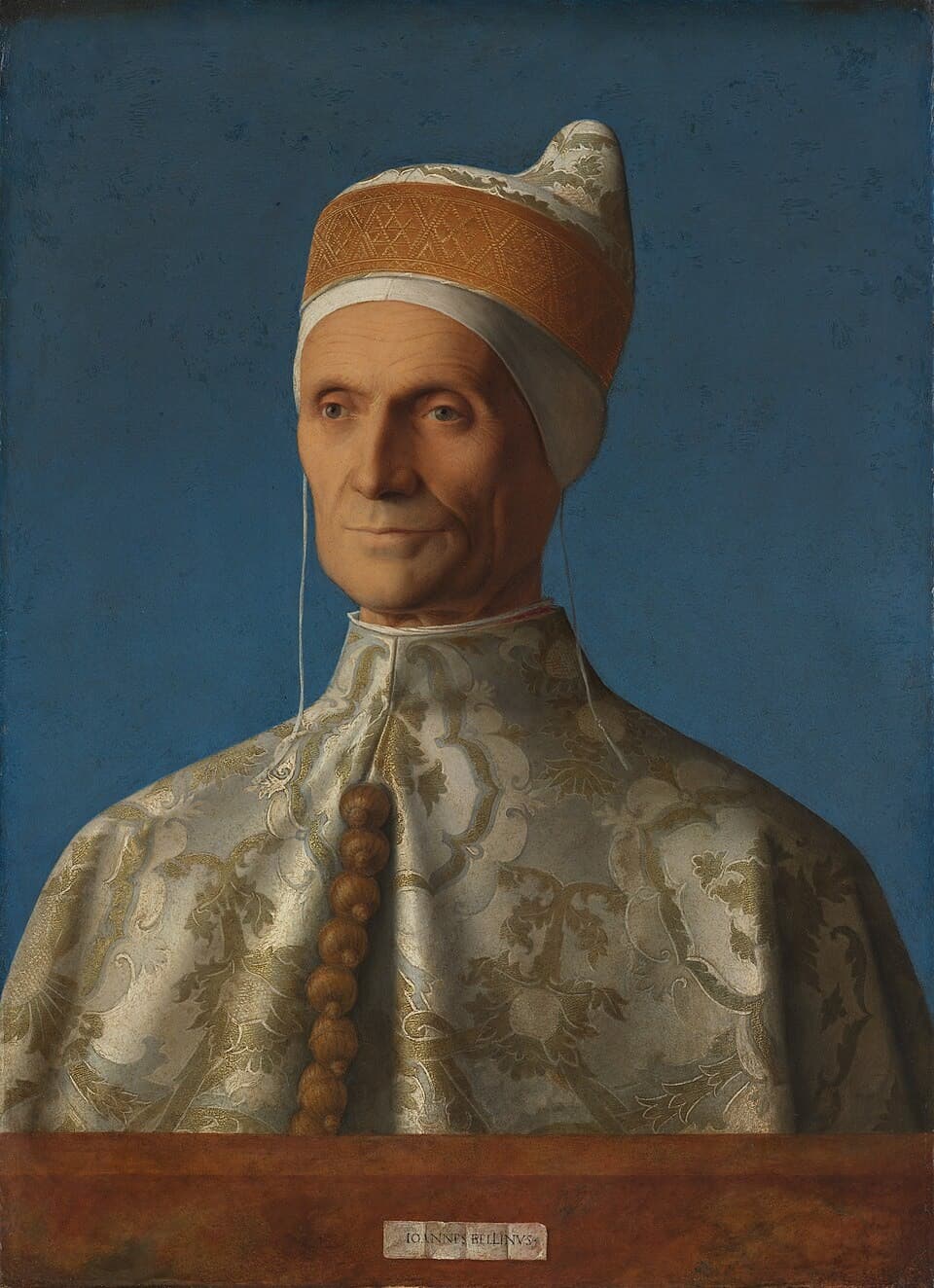
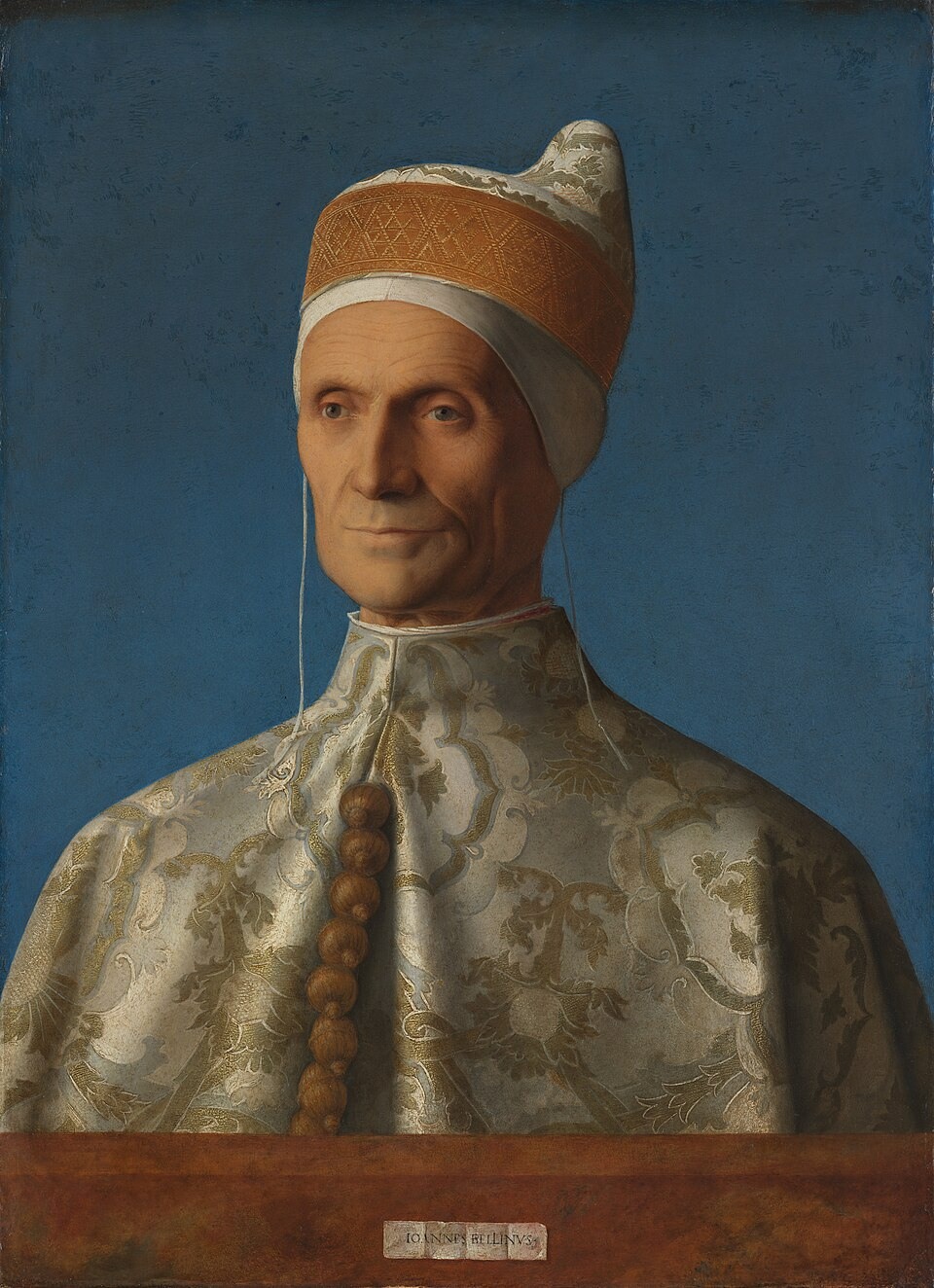
Portrait of Doge Leonardo Loredan
Giovanni Bellini · c. 1501–1505
A ruler's face is composed into a polished public image, as carefully arranged as his official robes.
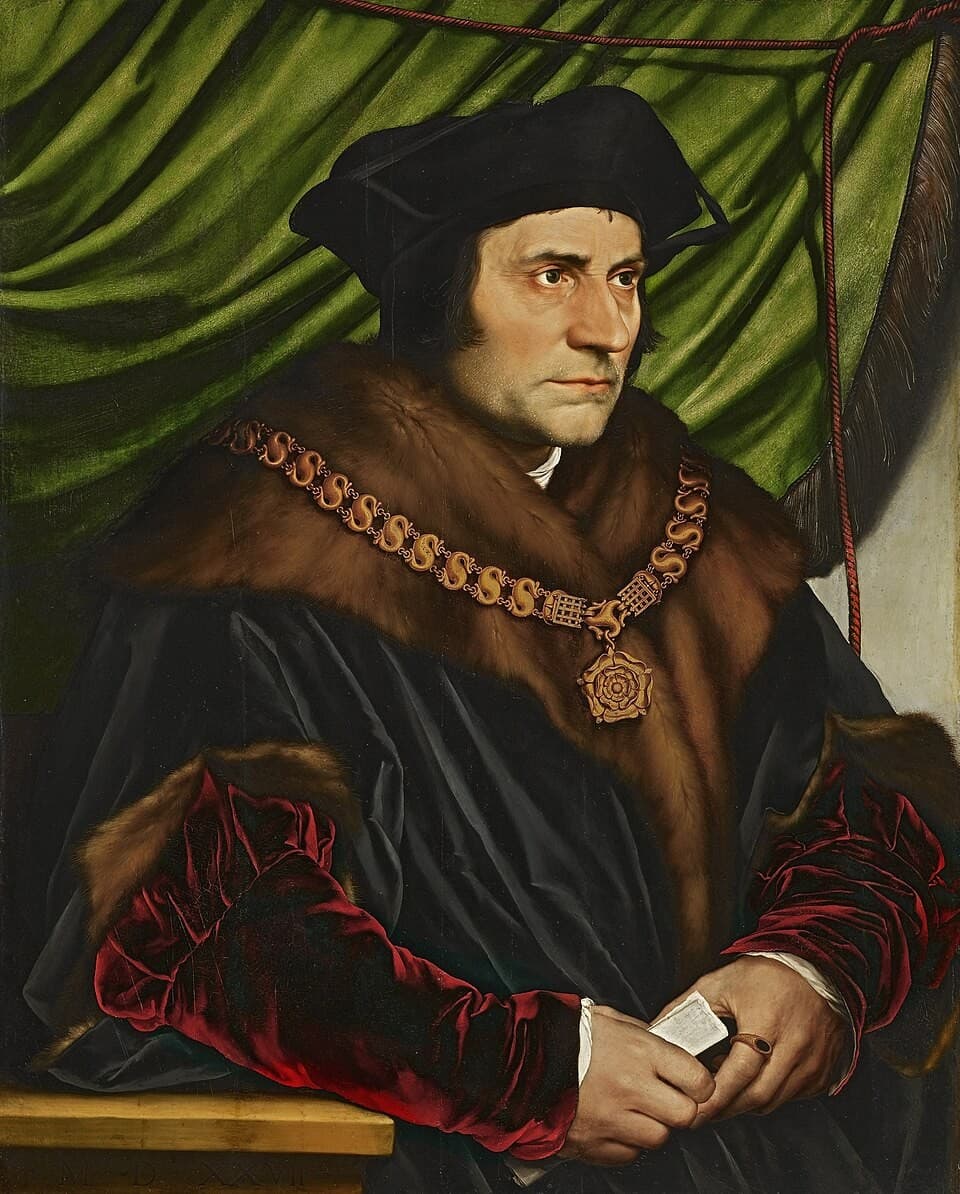
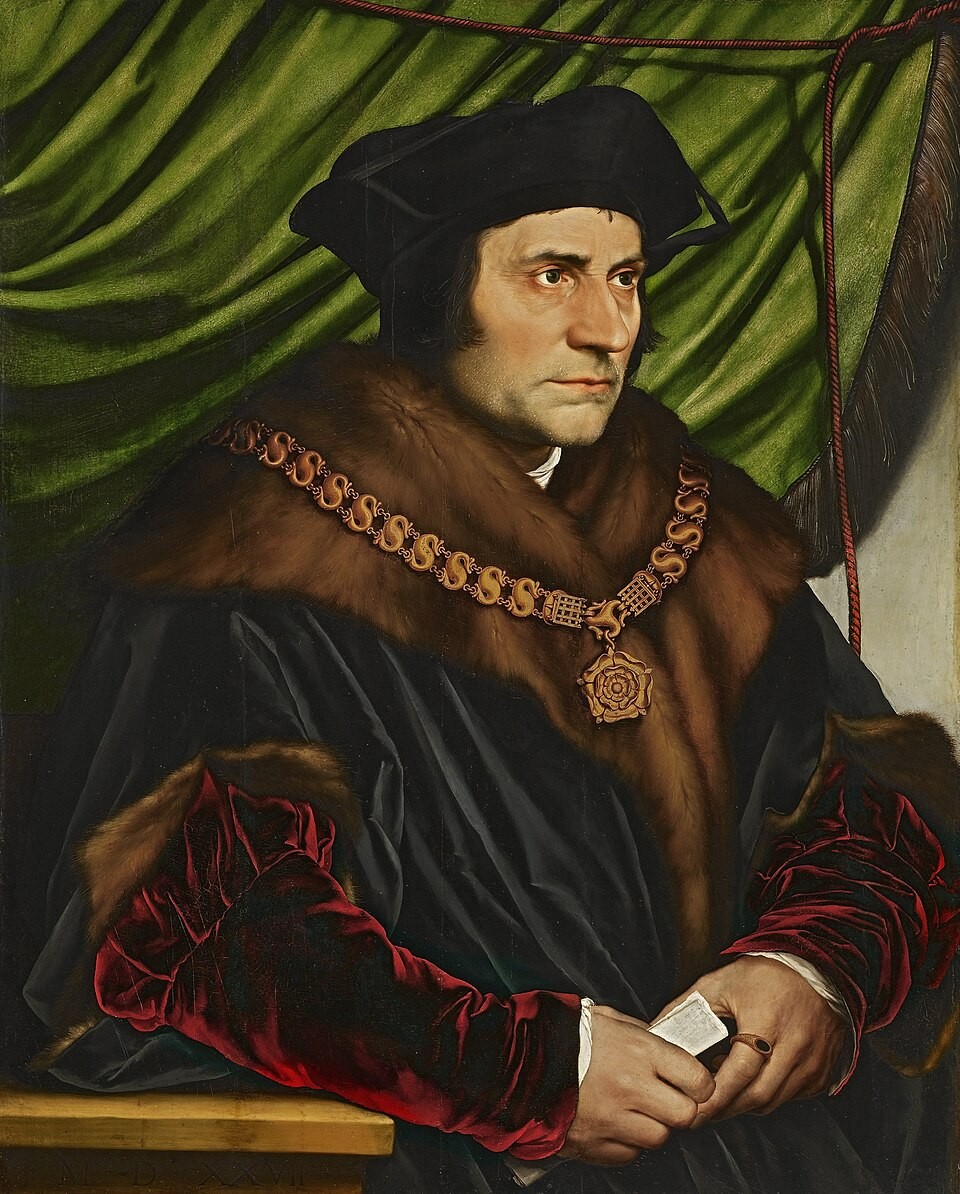
Sir Thomas More
Hans Holbein the Younger · 1527
Calmness and expensive detail make this statesman's portrait an exercise in controlled authority.
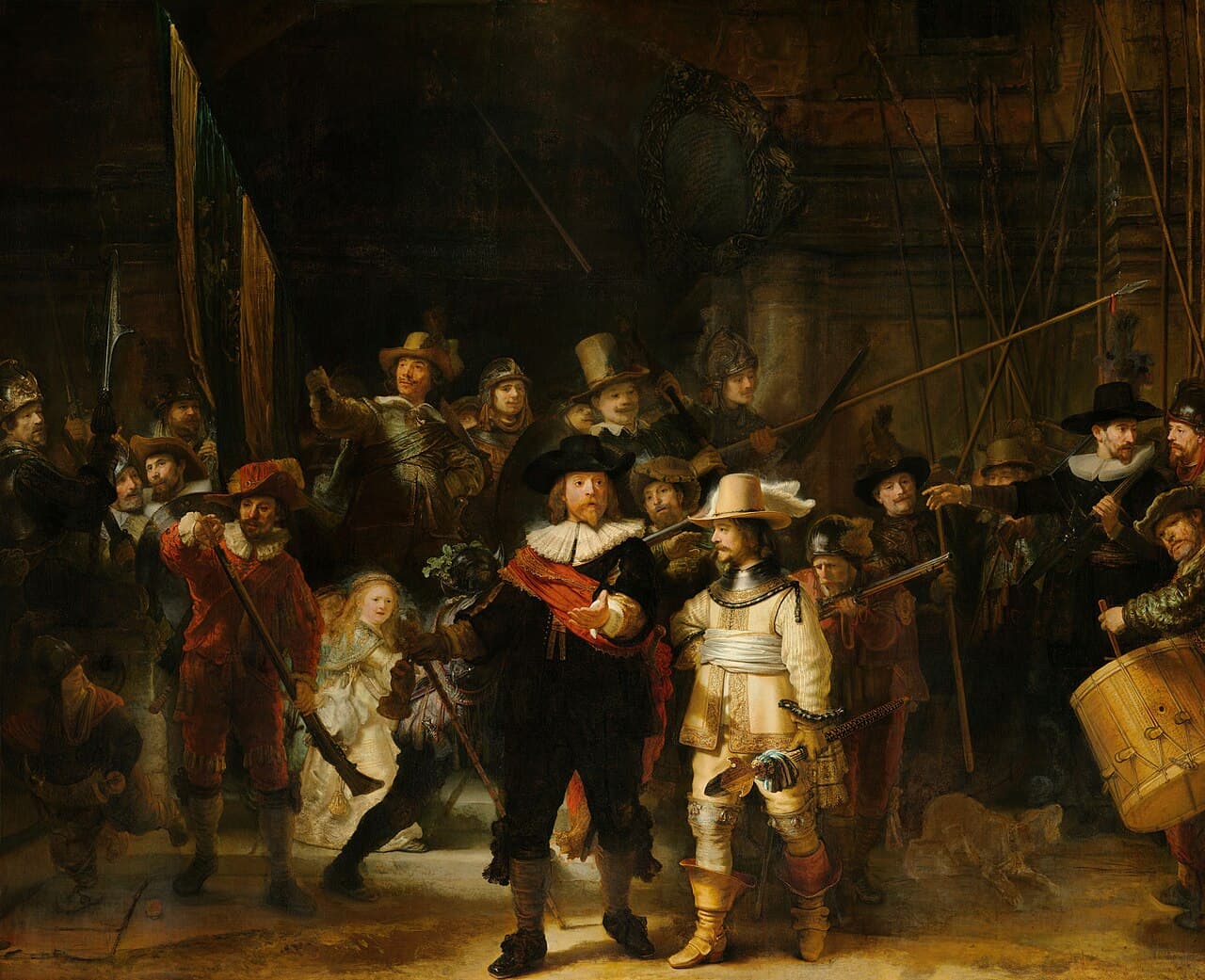
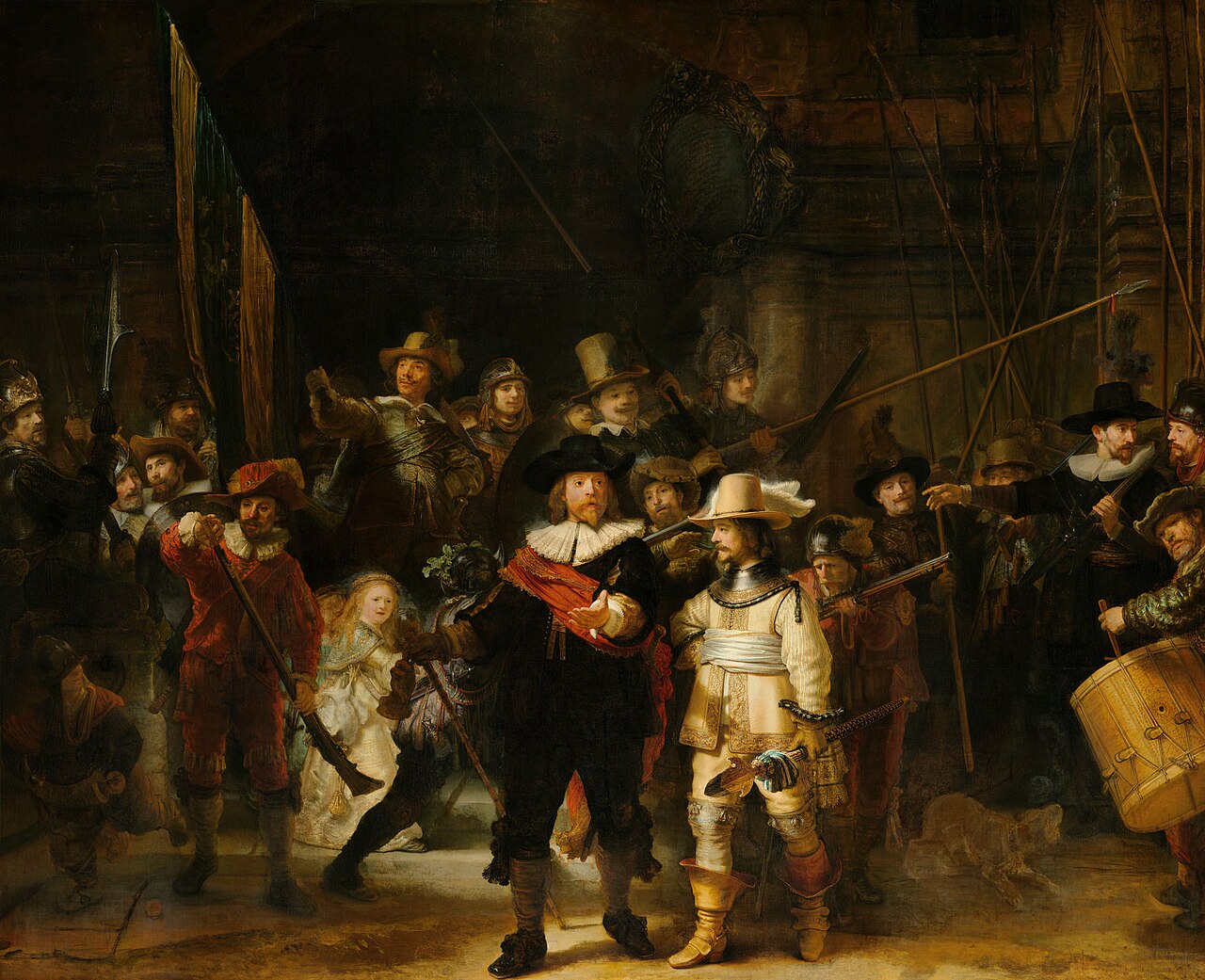
The Night Watch
Rembrandt · 1642
Armed citizens form a collective portrait in motion; public duty becomes visual theater.
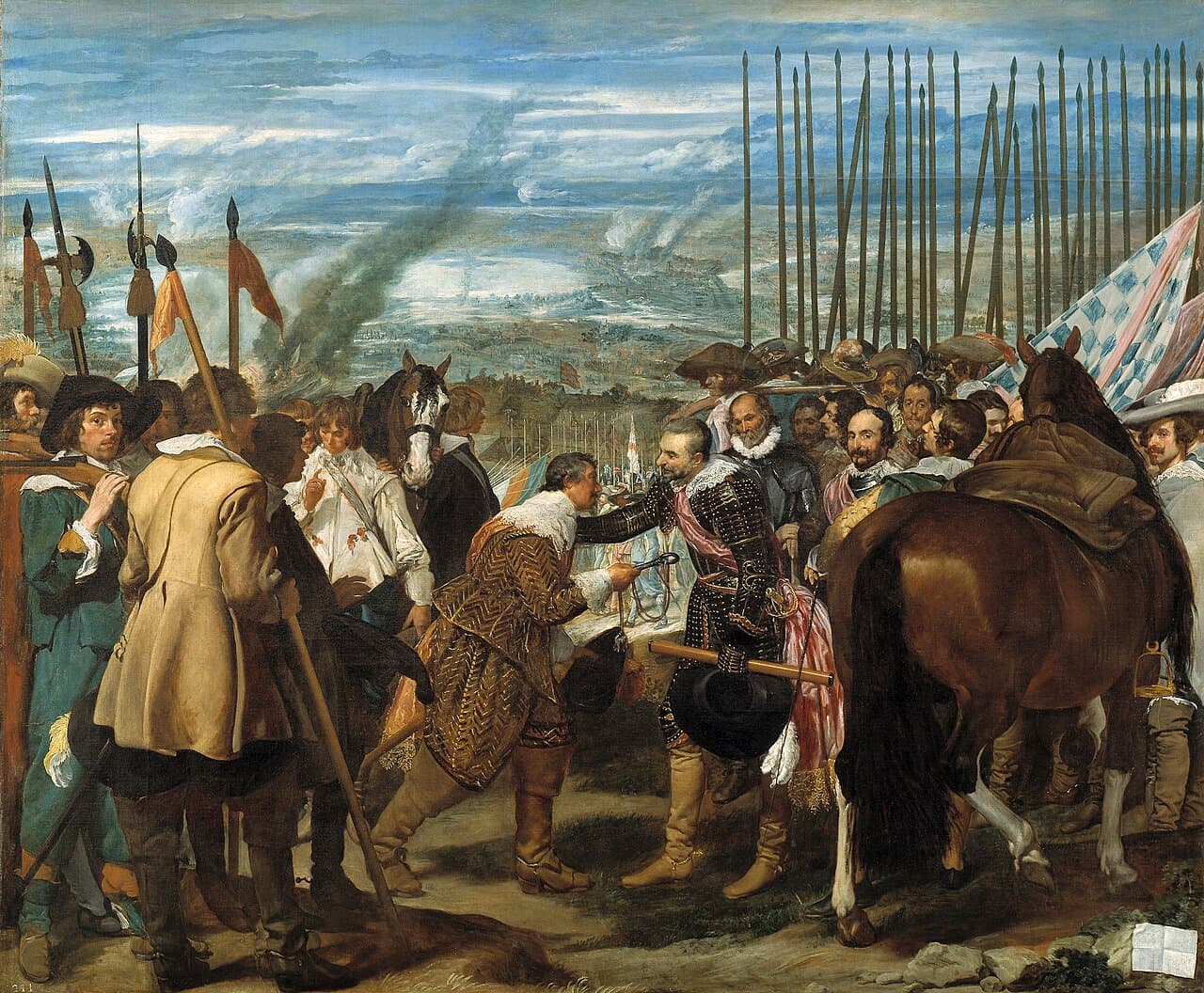
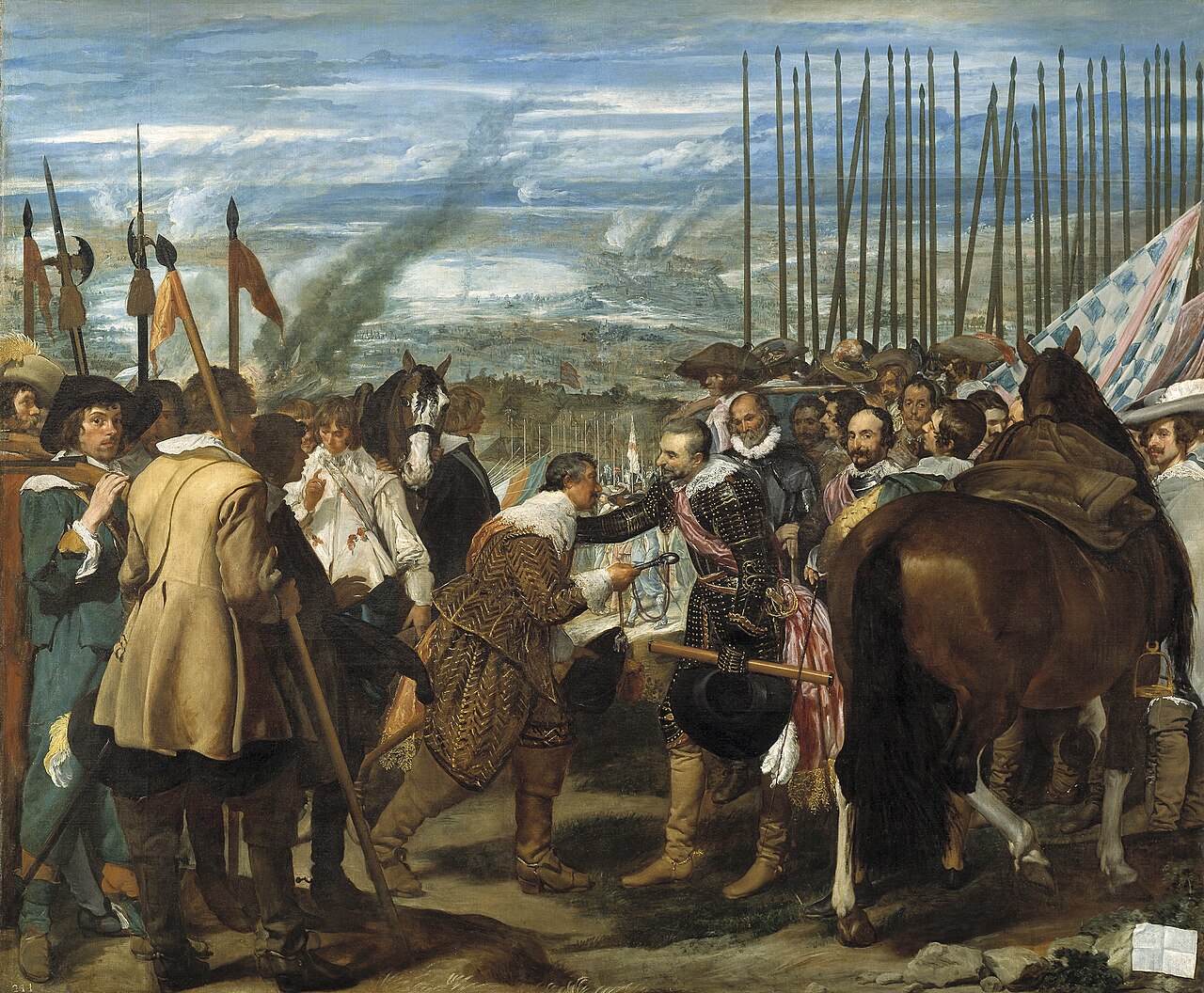
The Surrender of Breda
Diego Velázquez · 1634–1635
A surrender is painted not only as victory but as an encounter between two commanders.
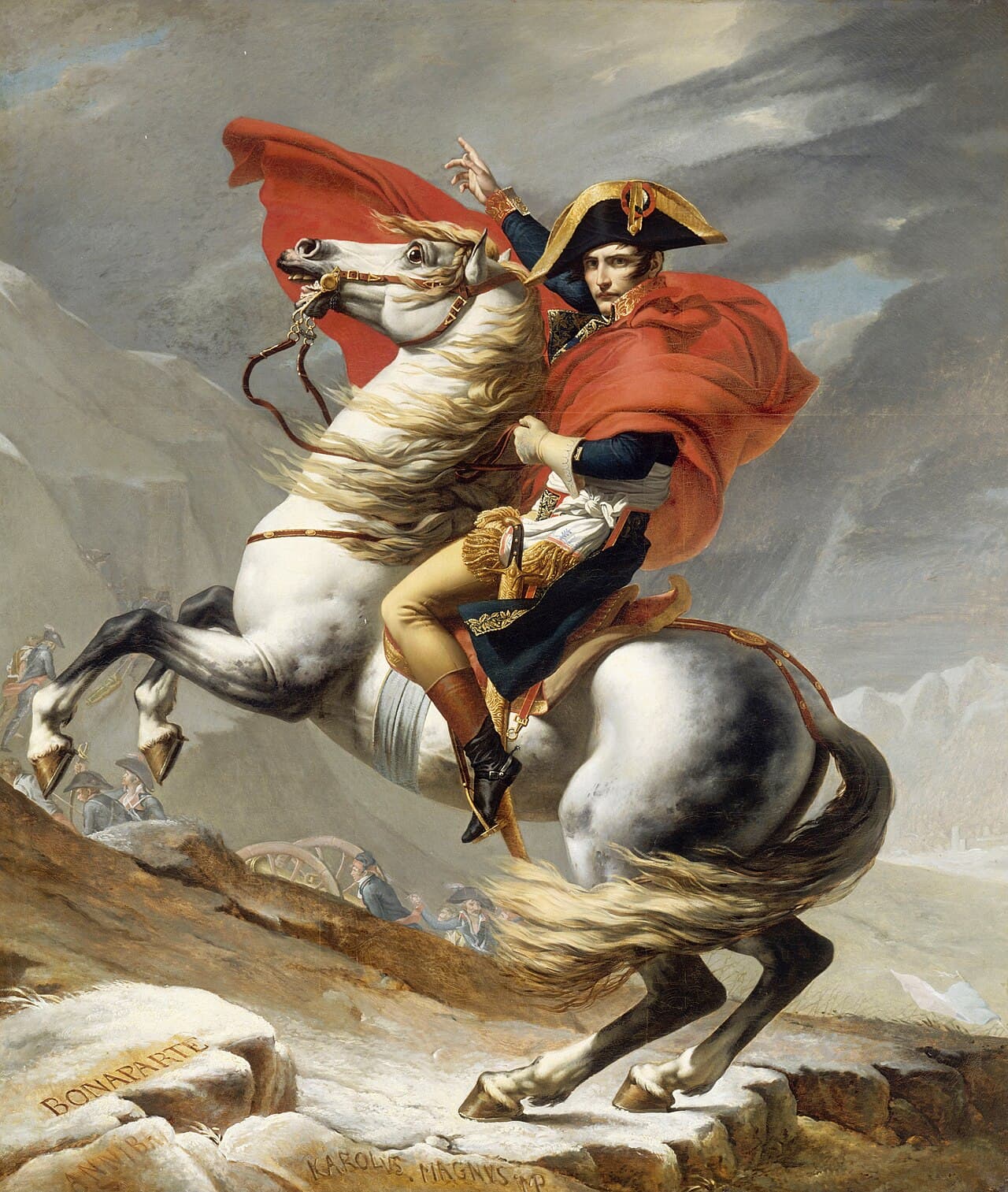
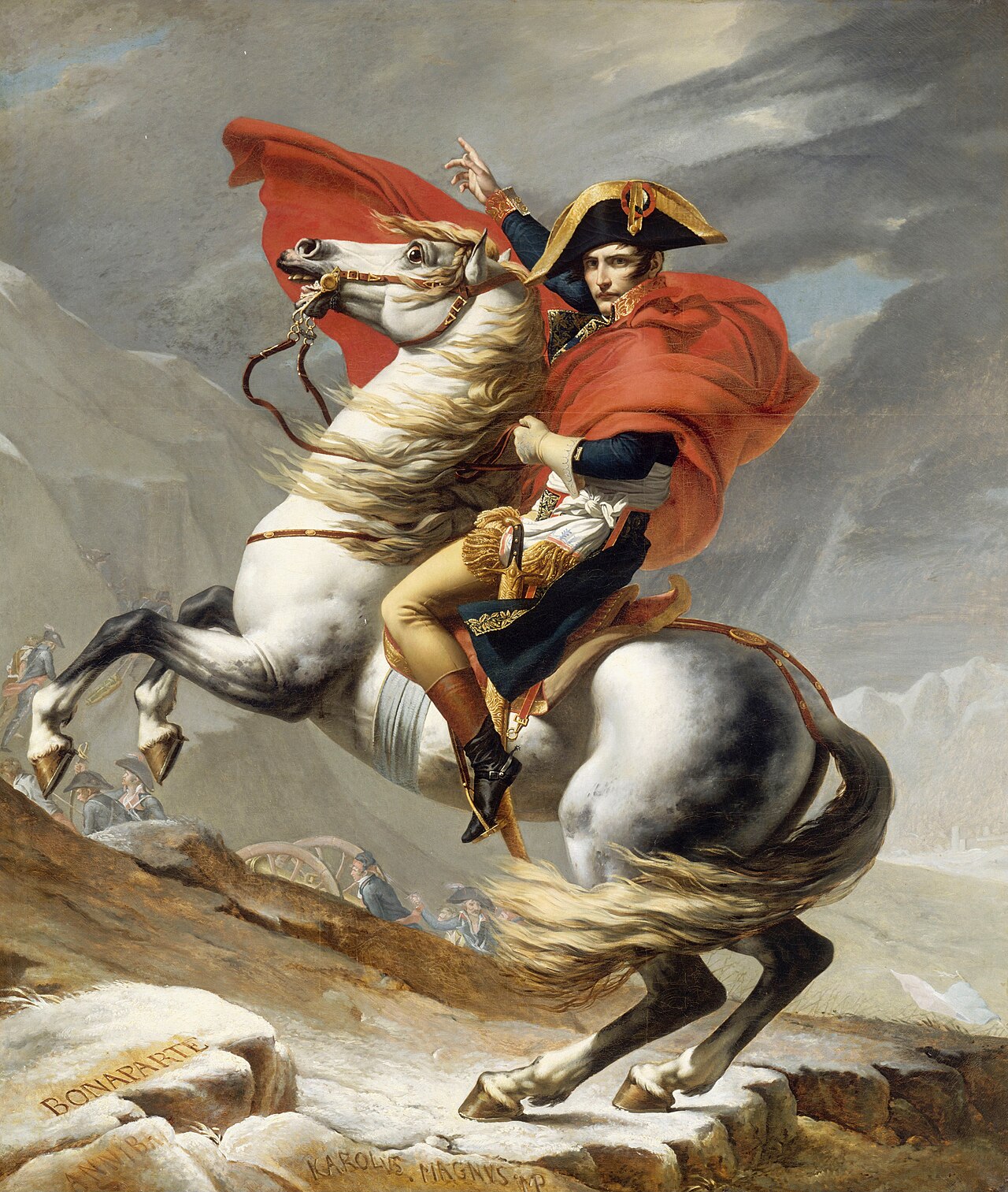
Napoleon Crossing the Alps
Jacques-Louis David · 1801
A leader's horse and a dramatic mountain passage turn history into an image of command.
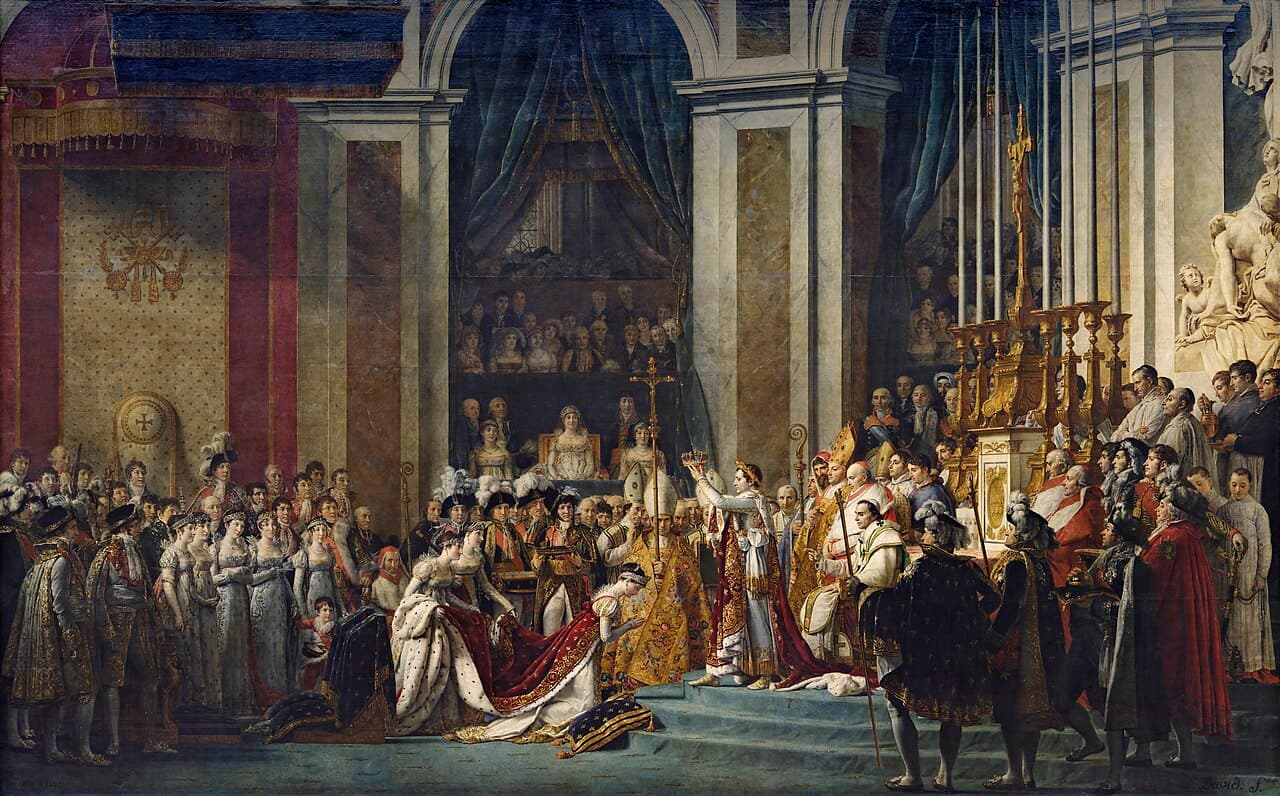
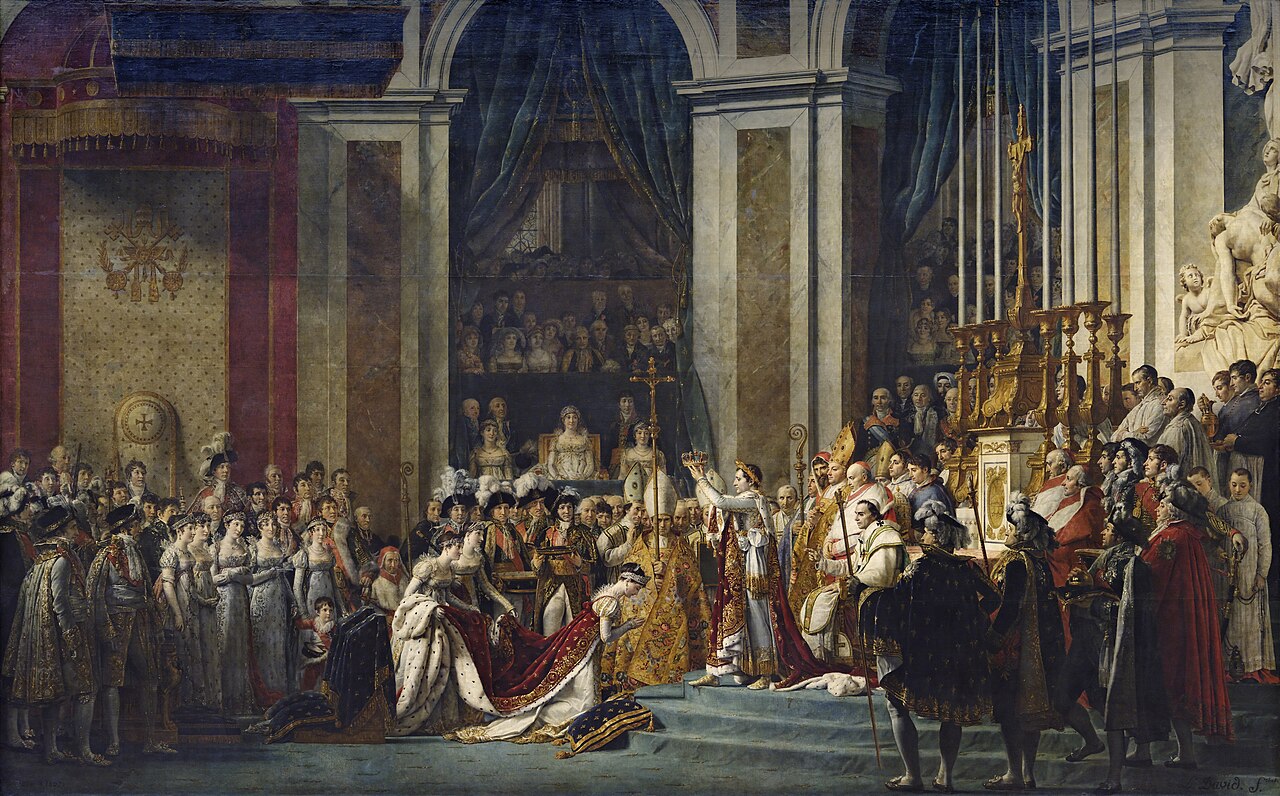
The Coronation of Napoleon
Jacques-Louis David · 1807
Ceremony, architecture, and a multitude of witnesses transform authority into spectacle.
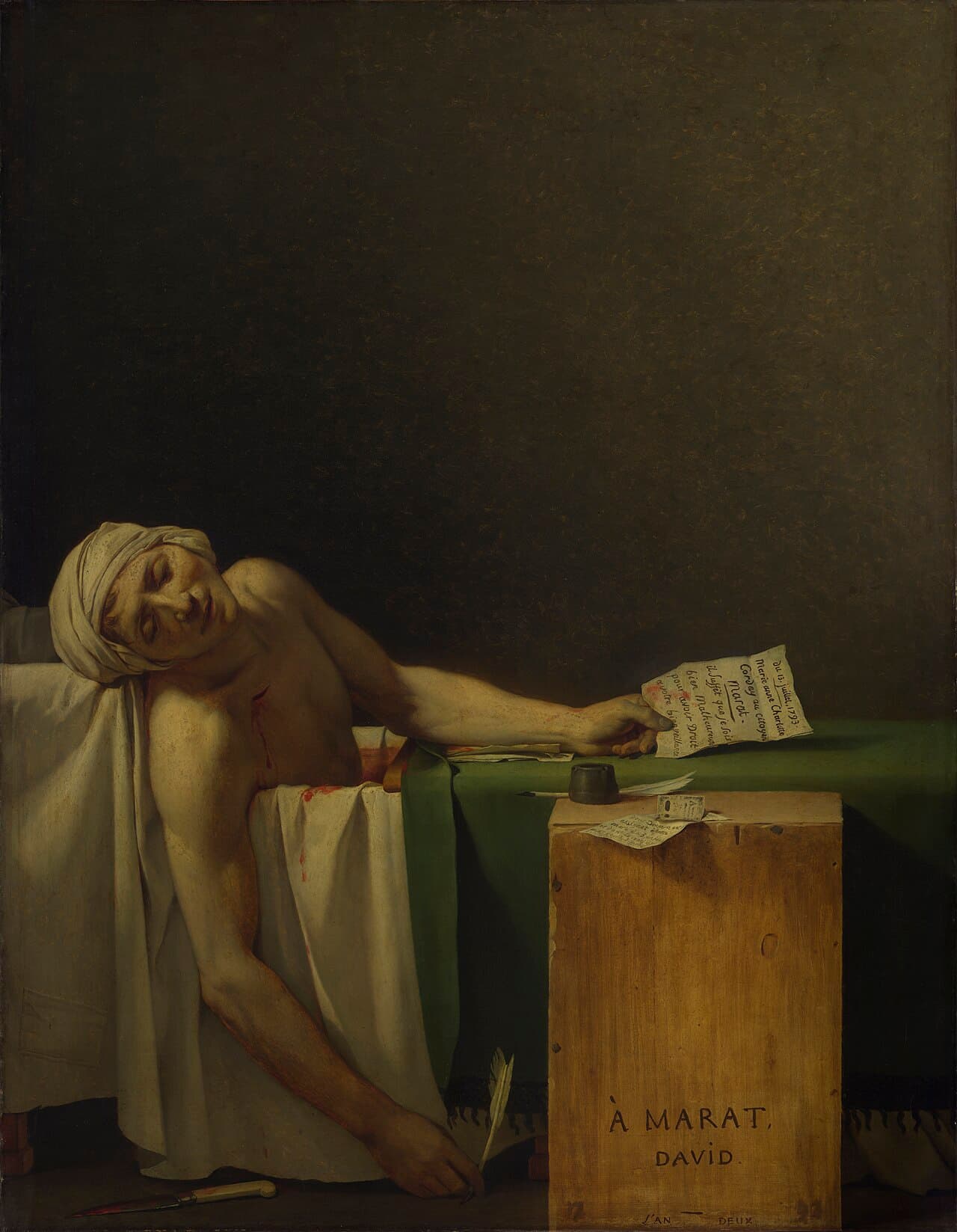
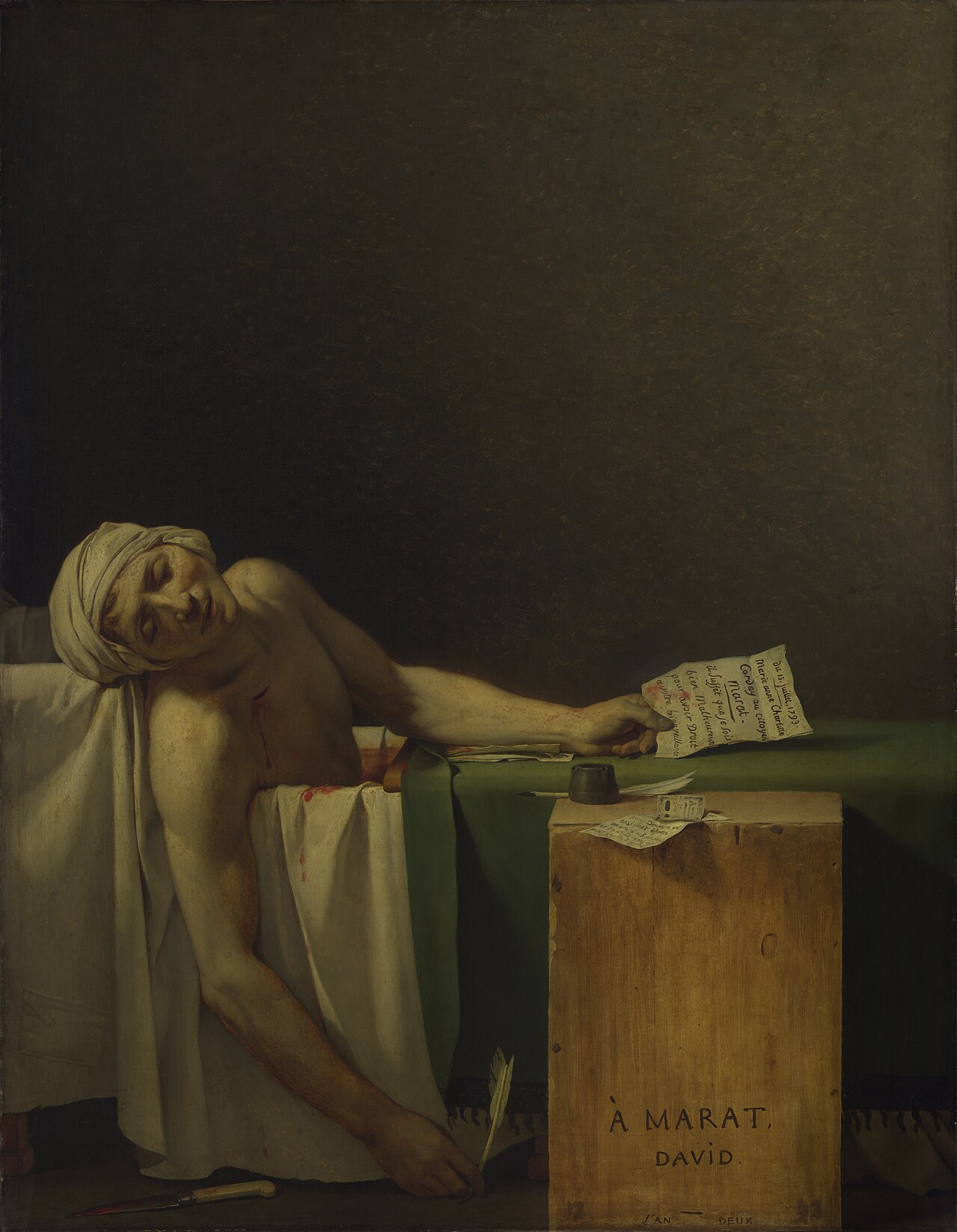
The Death of Marat
Jacques-Louis David · 1793
A small, still body challenges the rhetoric of grandeur; power is also contested through sacrifice.
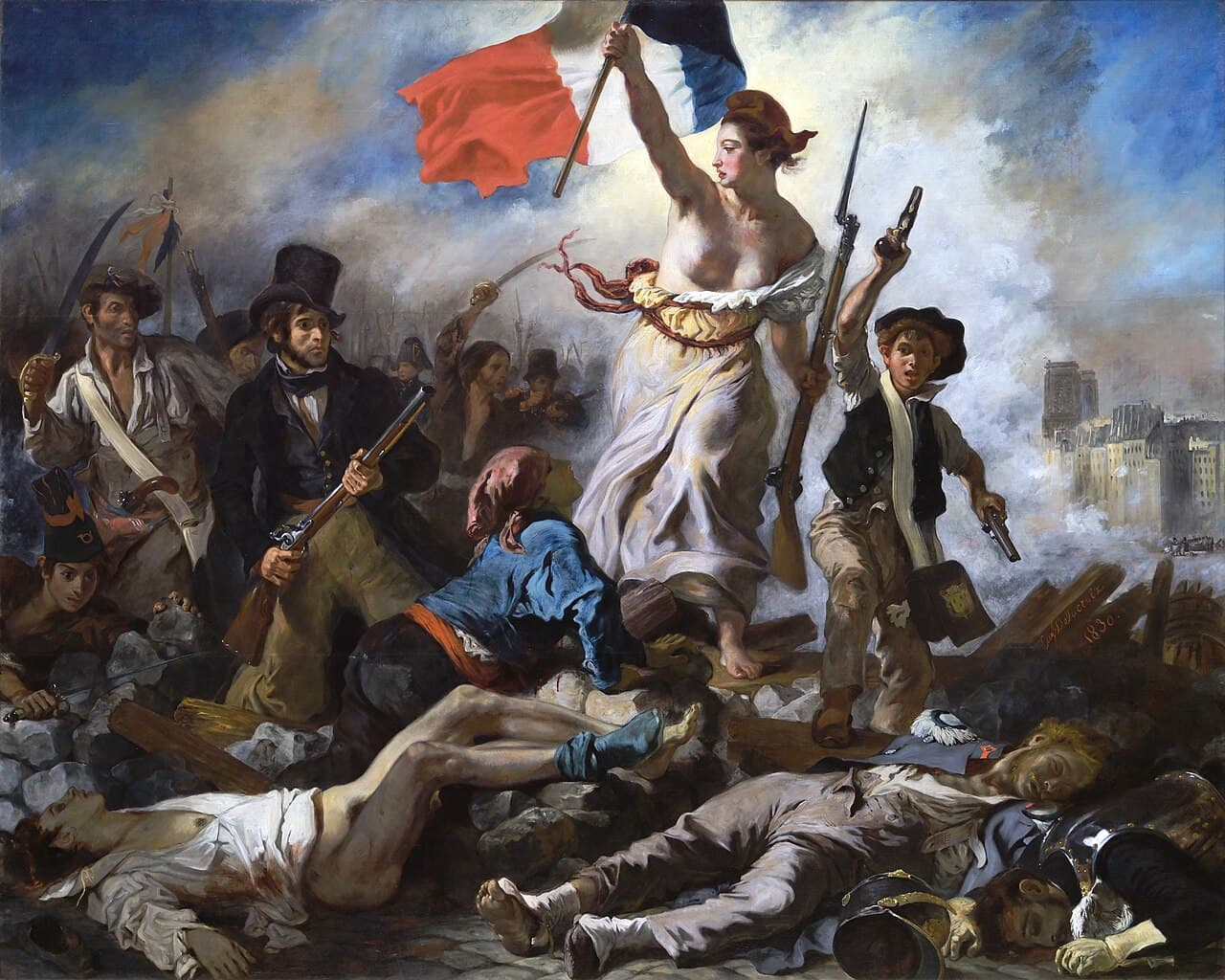
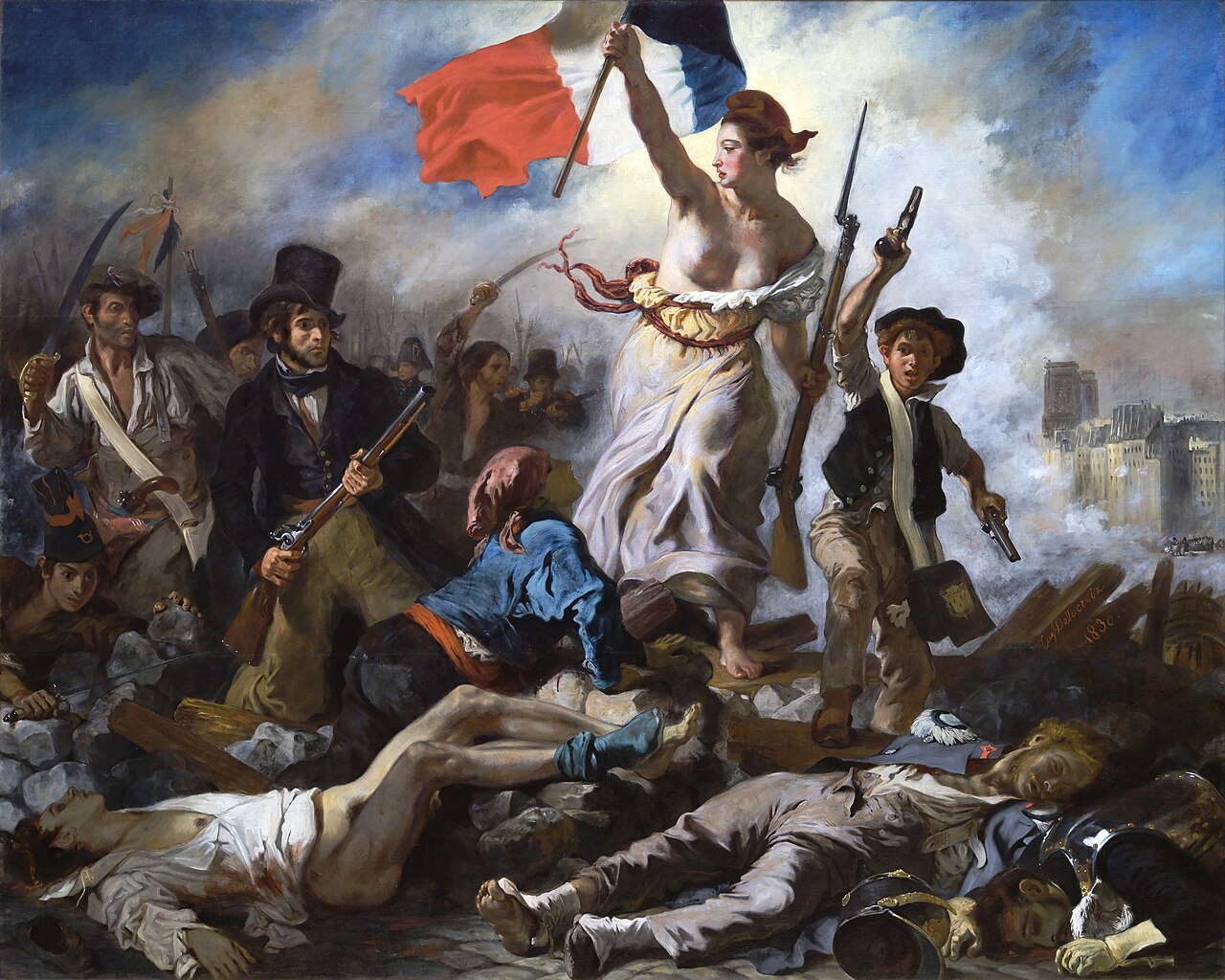
Liberty Leading the People
Eugène Delacroix · 1830
A personification of Liberty steps among real people. A political ideal becomes a figure you can follow.
A painting can preserve power—and expose the stories power tells about itself.