The Sacred and the Human
Faith, doubt, and the painted image
Across centuries, painters have brought enormous questions into a human scale: a hand reaching across space, a meal among friends, a sudden turning point, a body at rest. Sacred subjects become close enough to feel.
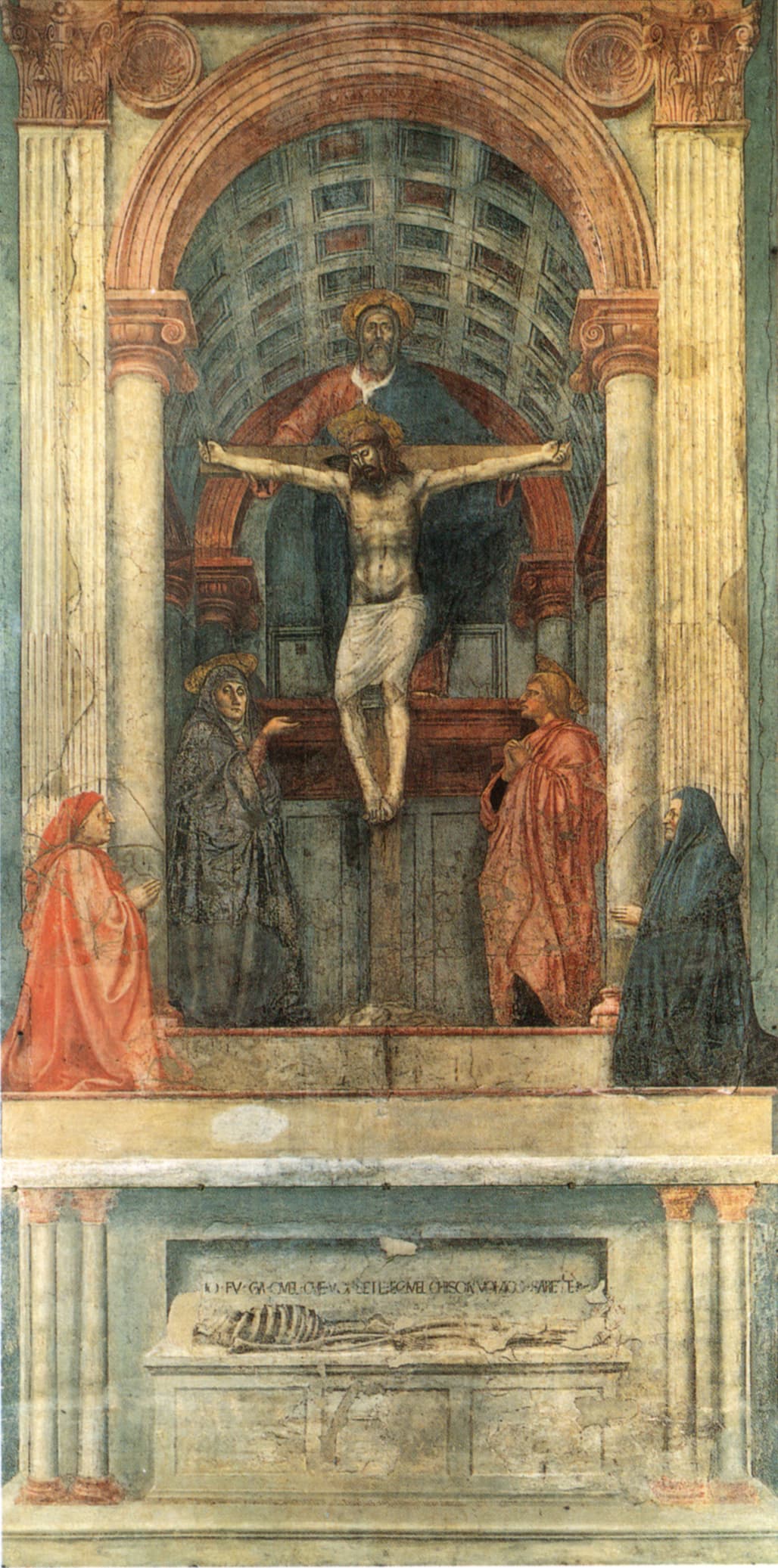
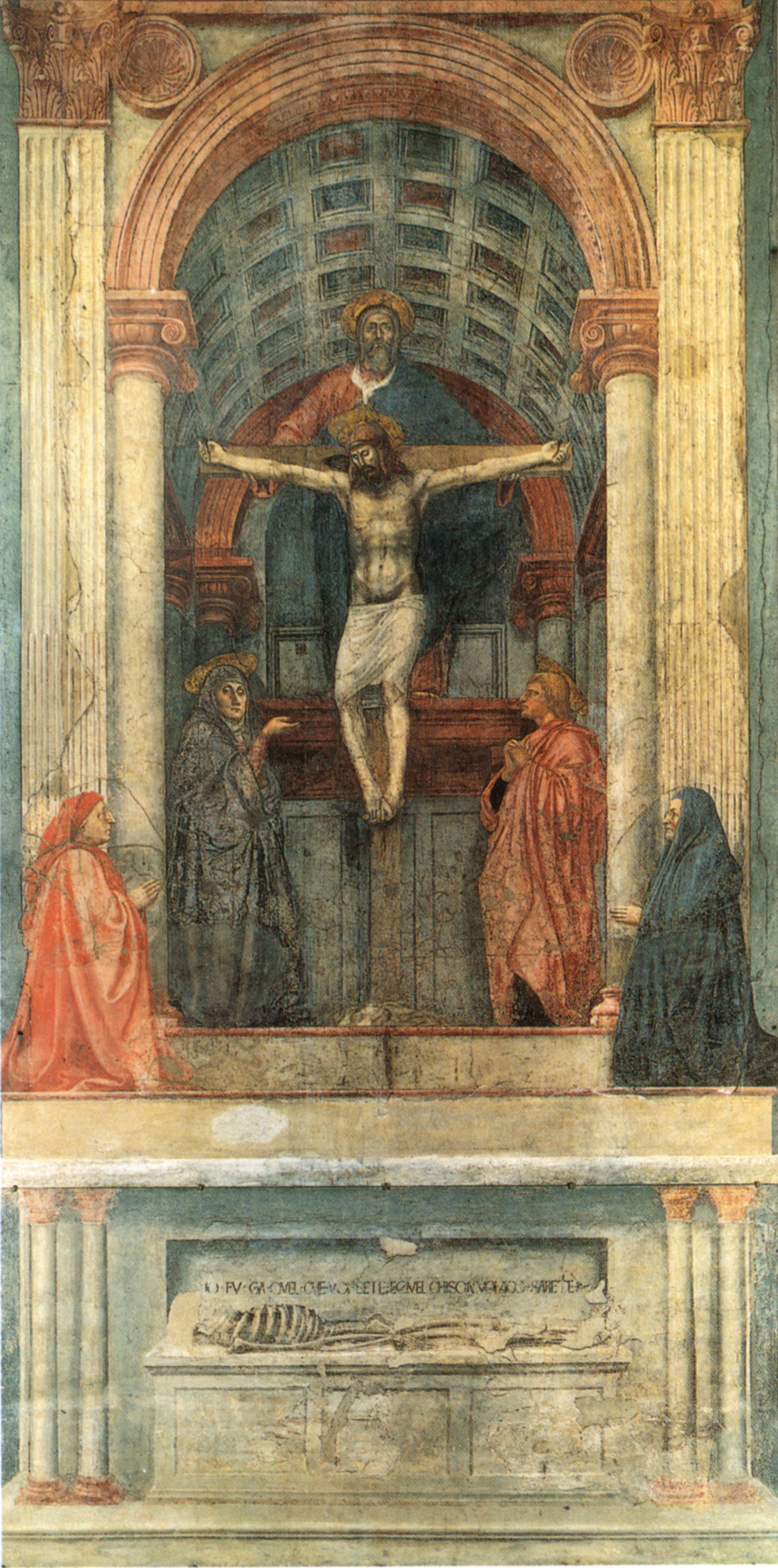
Holy Trinity
Masaccio · c. 1425–1427
A painted architectural space makes an invisible theological idea feel placed directly before the viewer.
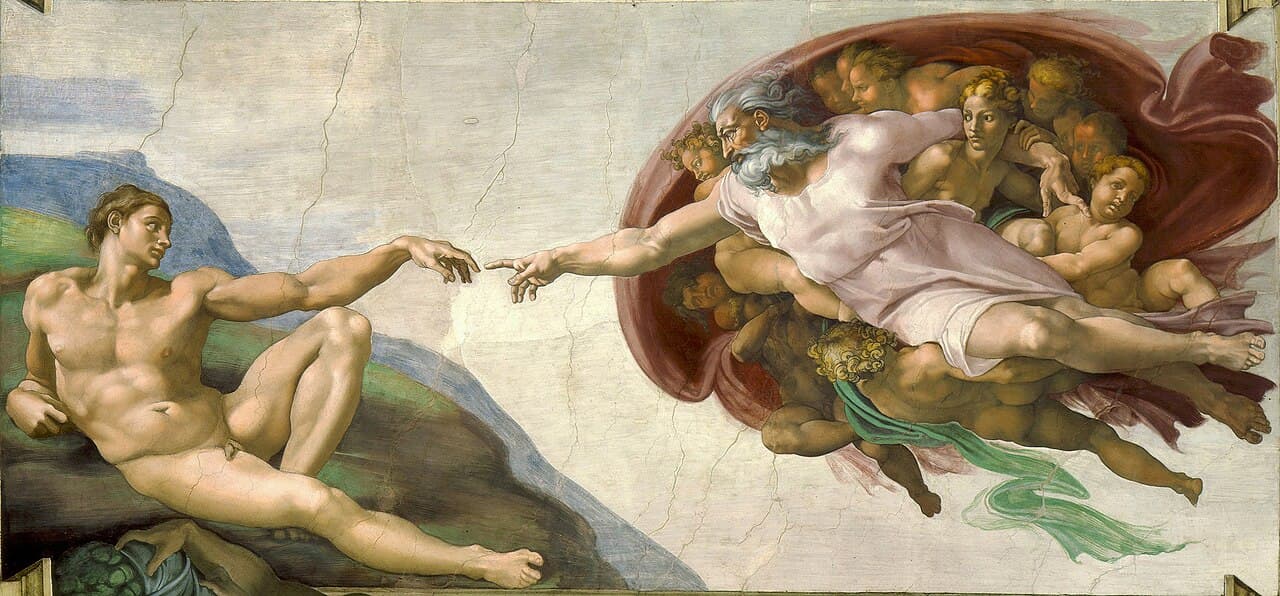
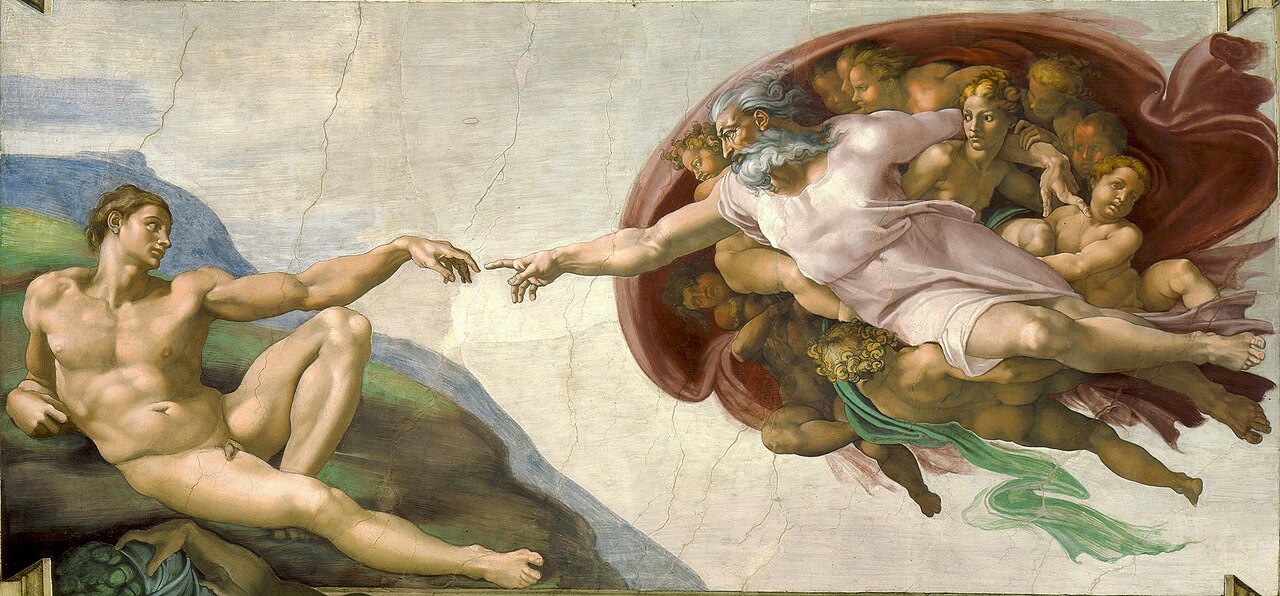
The Creation of Adam
Michelangelo · 1511
Two hands nearly touch. A tiny gap becomes the whole drama of creation.
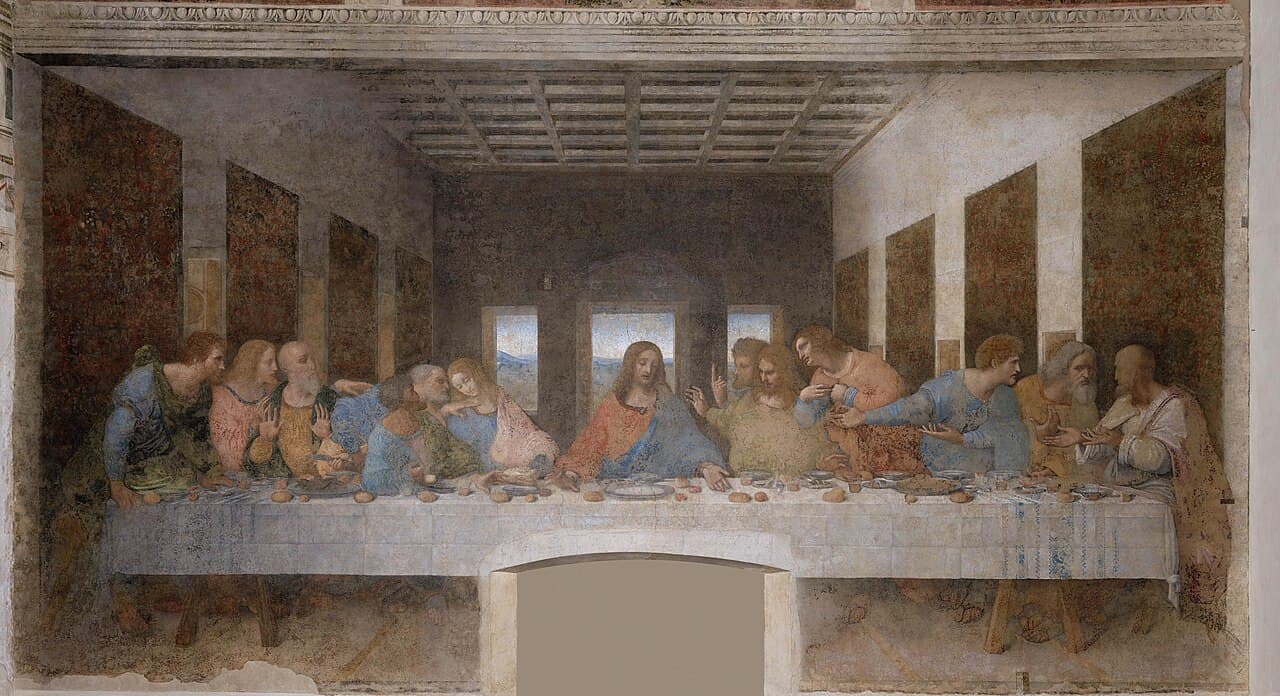
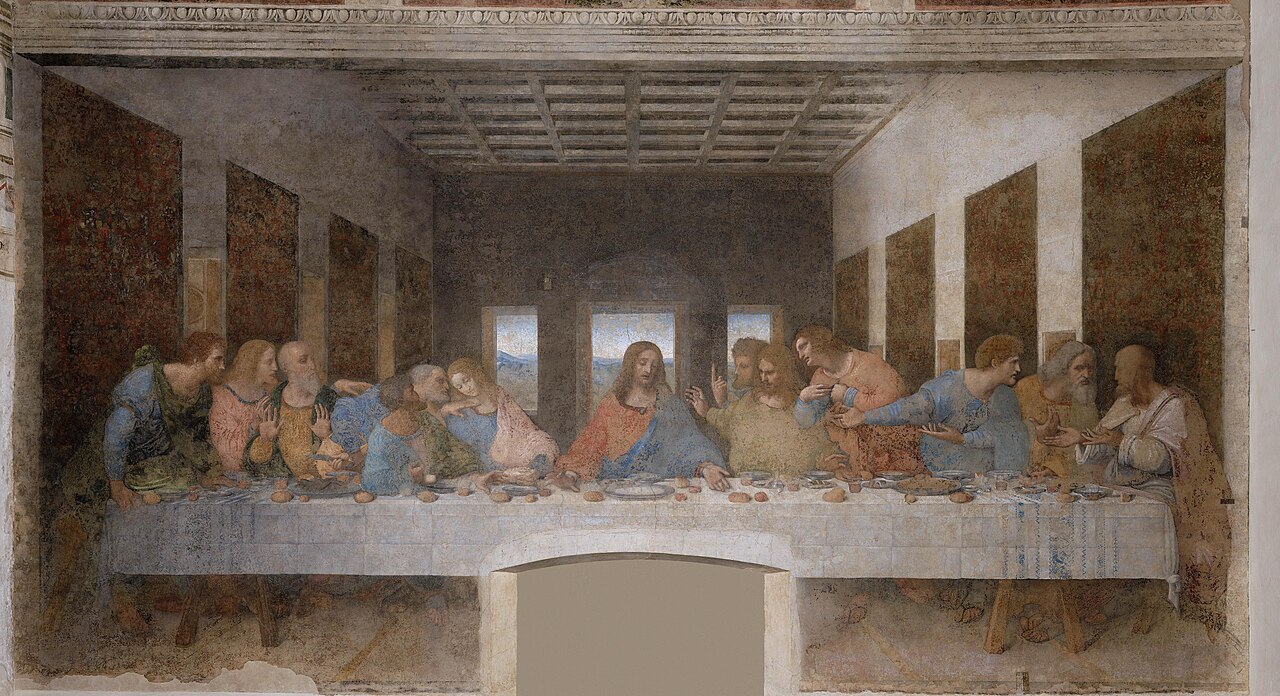
The Last Supper
Leonardo da Vinci · 1495–1498
A shared table becomes charged with surprise and individual reactions.
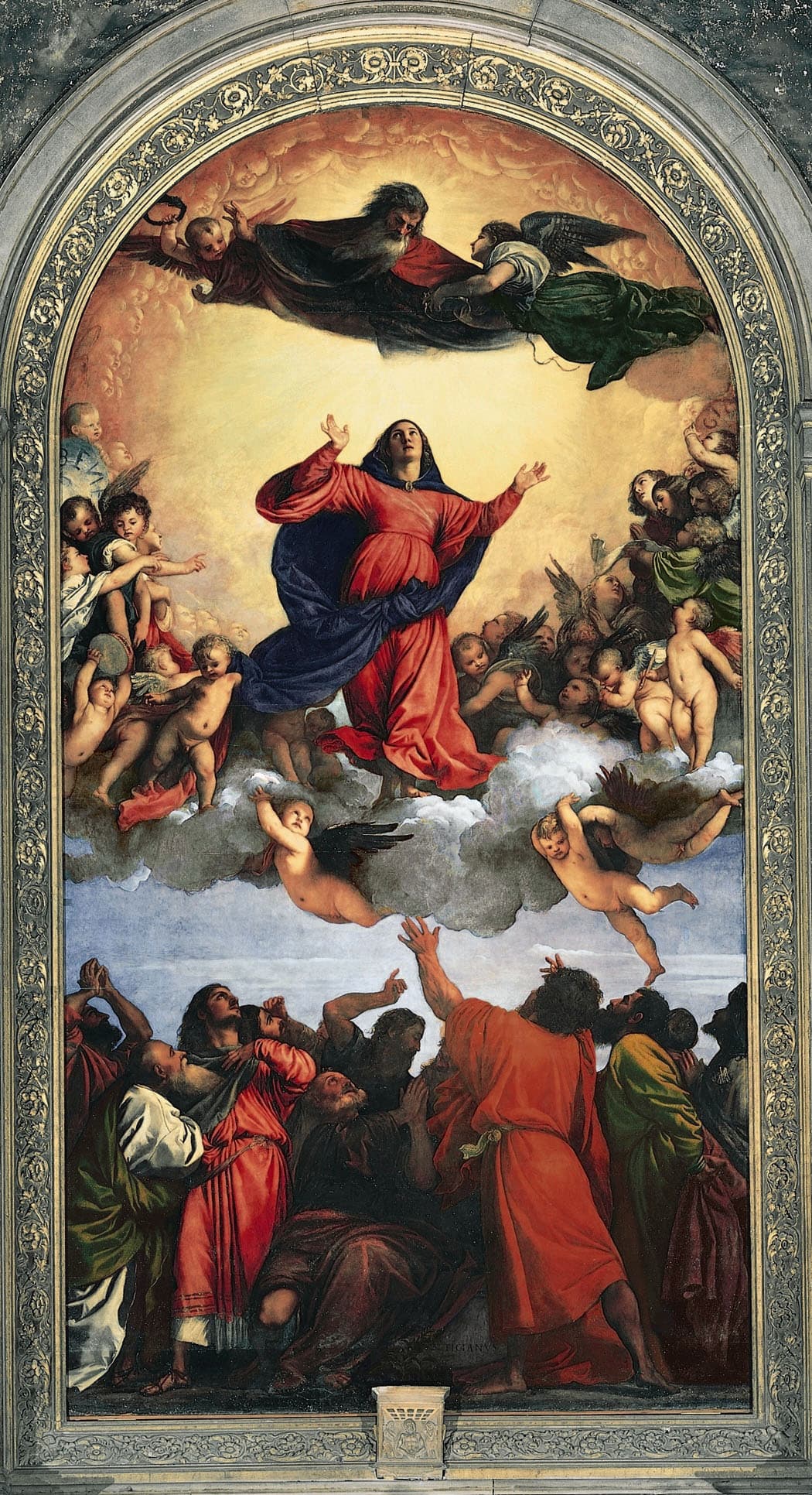
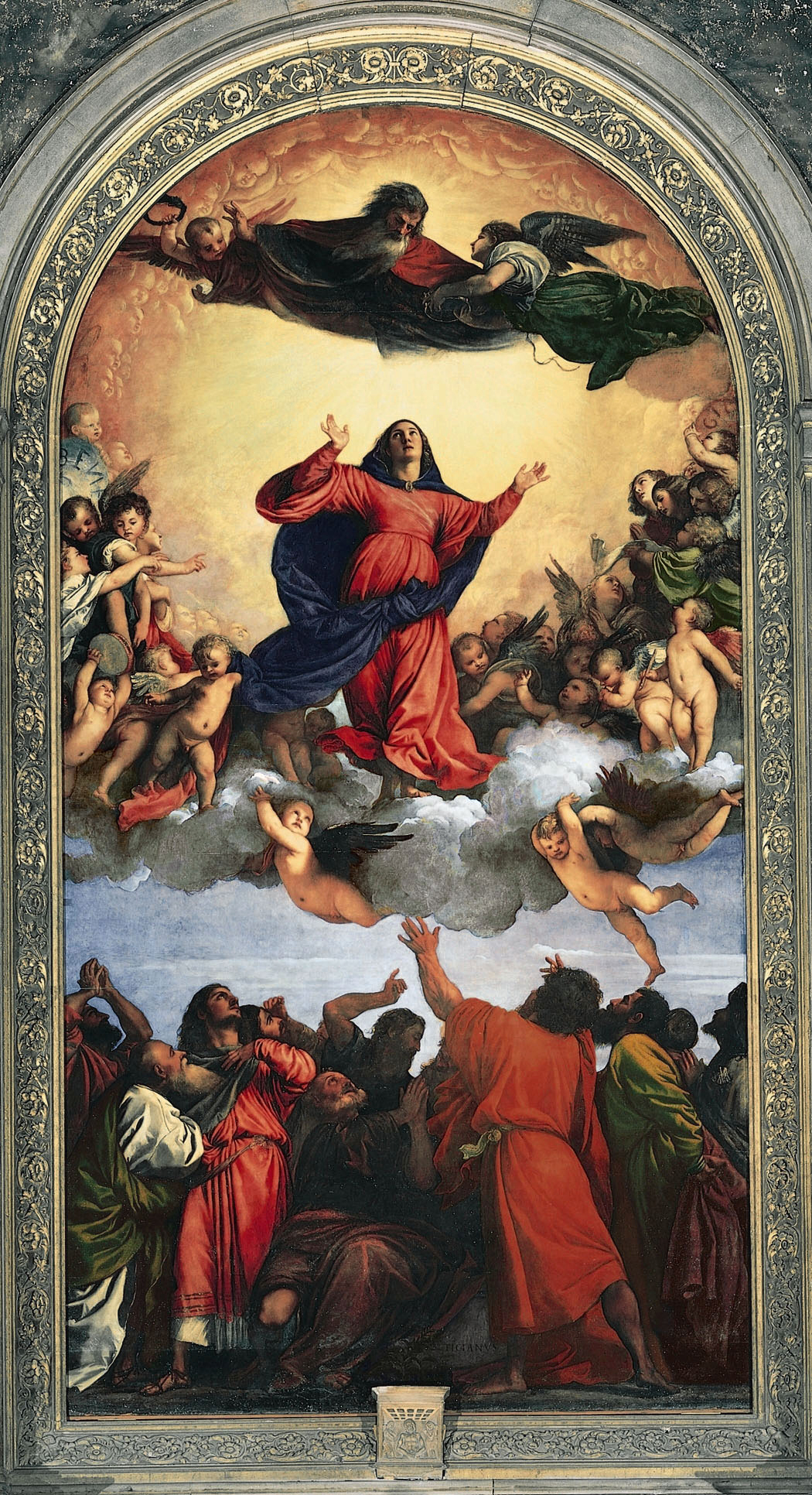
The Assumption of the Virgin
Titian · 1516–1518
Upward movement and gathered witnesses make the sacred feel immense and theatrical.
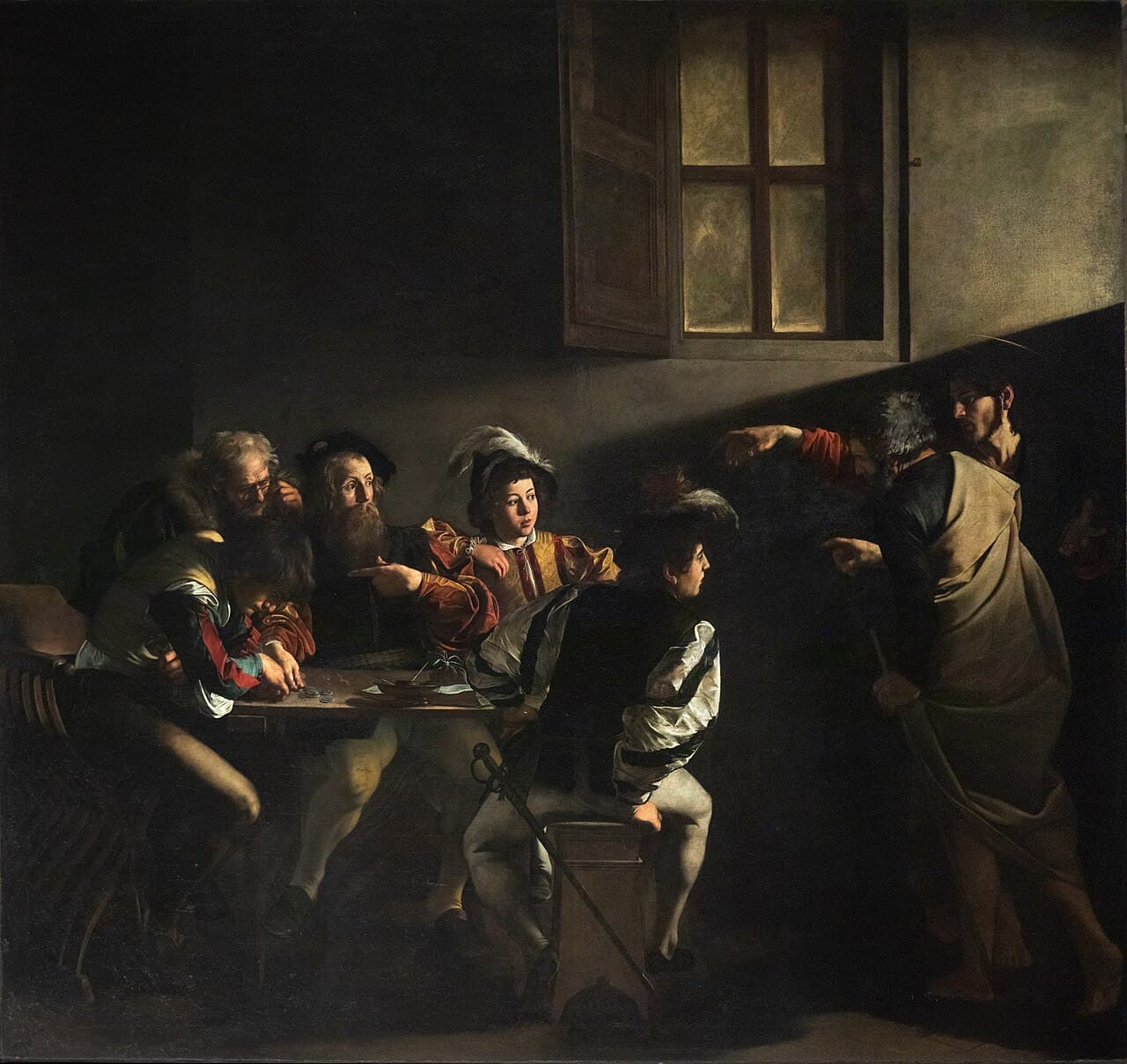
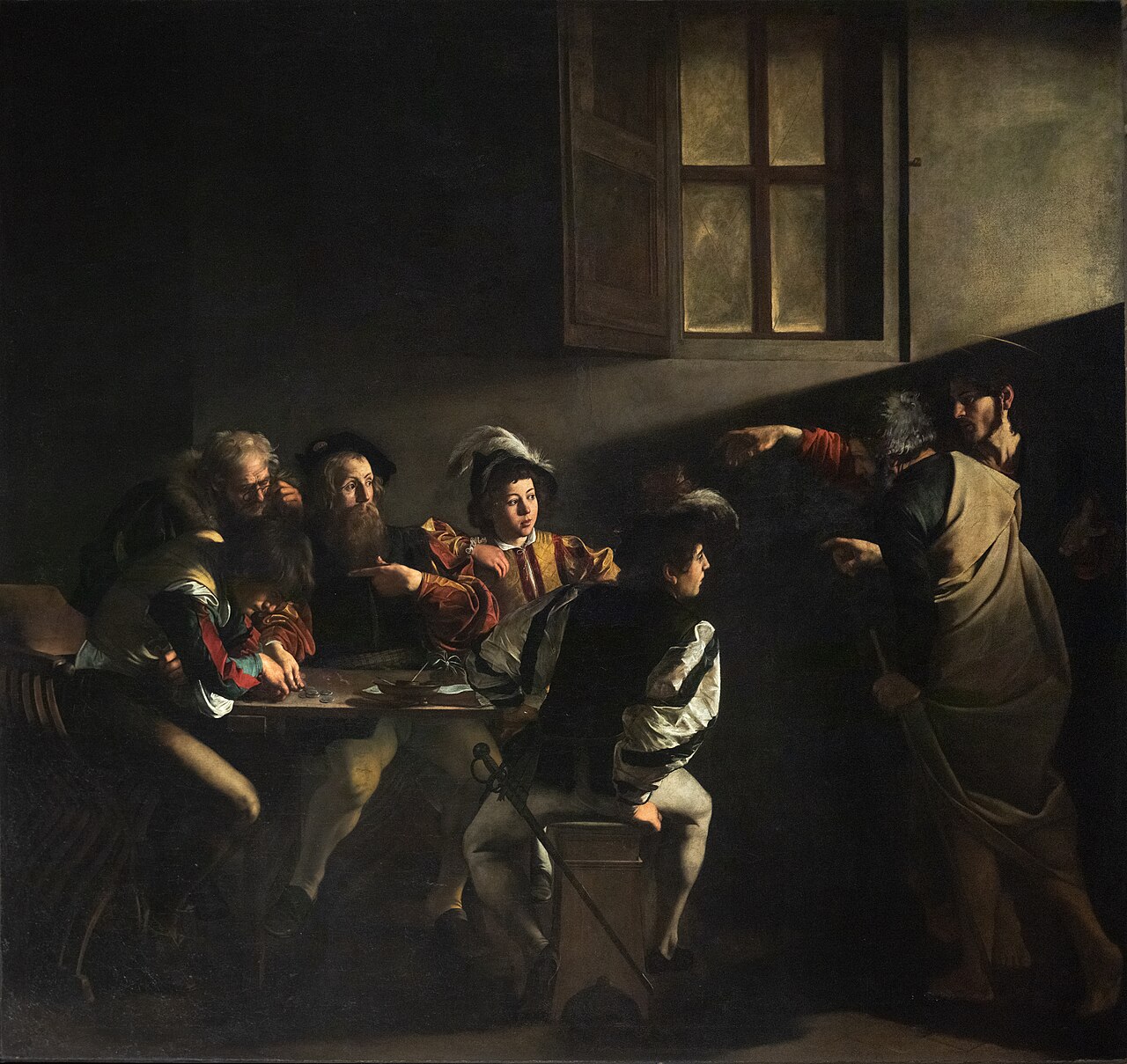
The Calling of Saint Matthew
Caravaggio · 1600
The decisive moment is not on a distant throne but at an ordinary table.
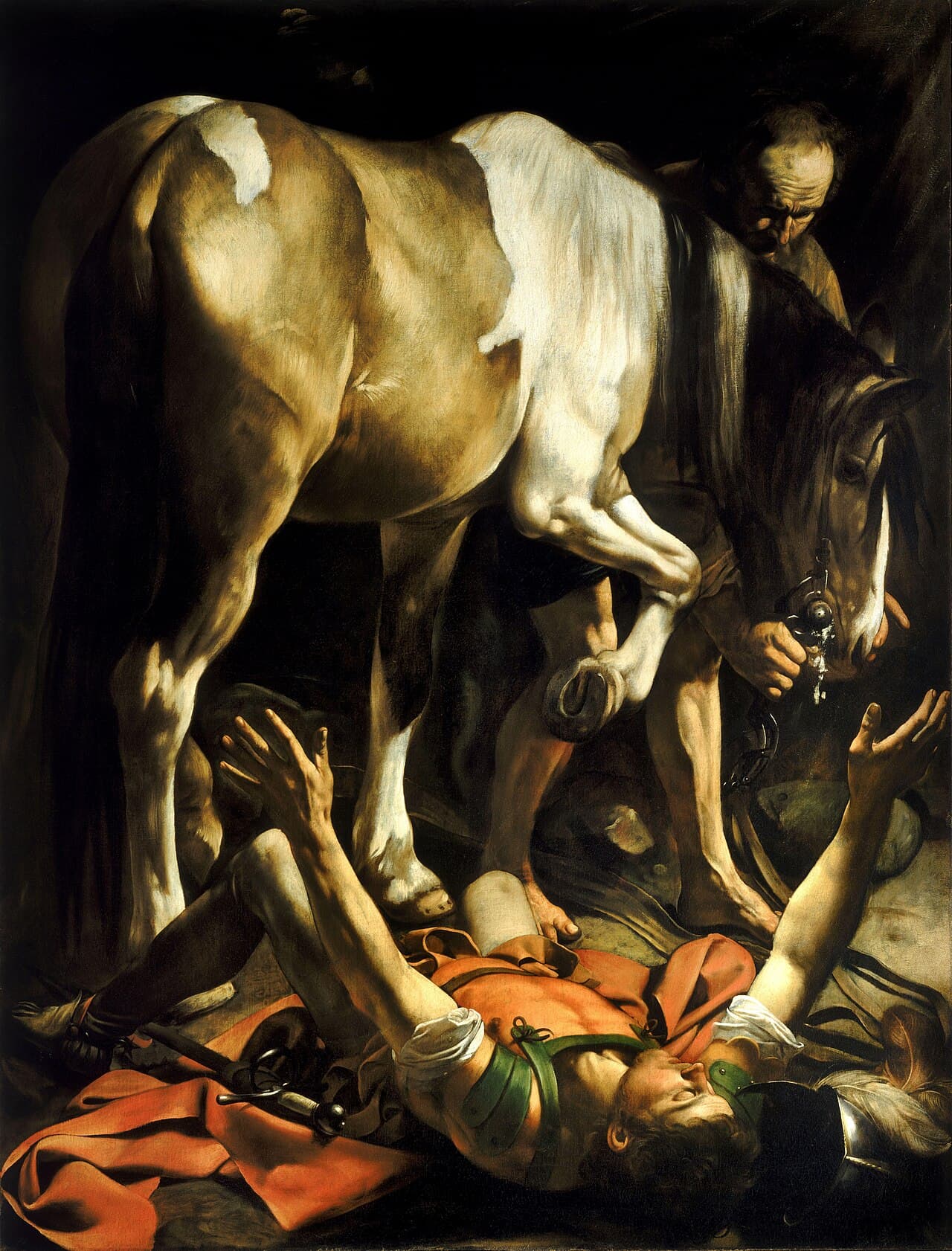
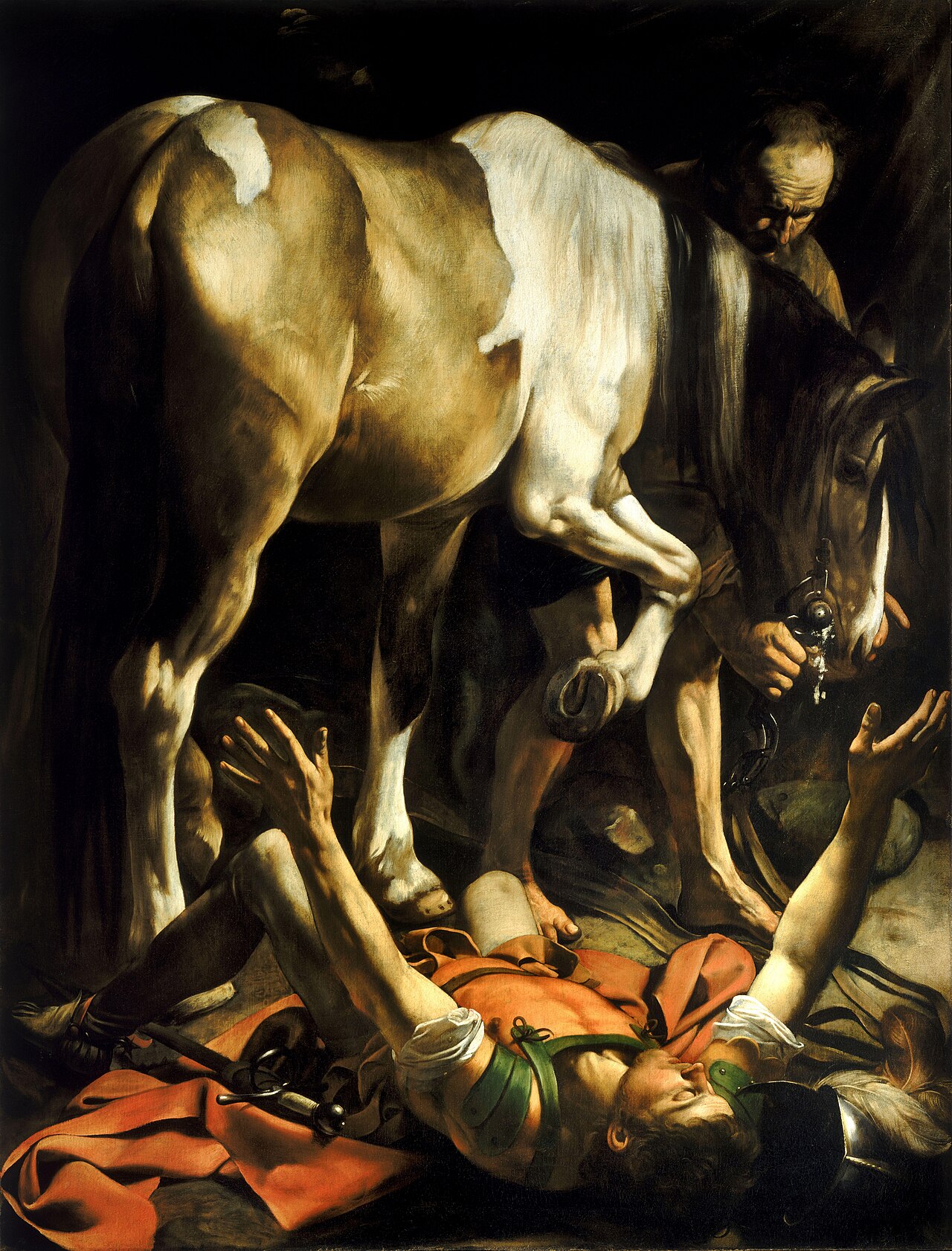
The Conversion of Saint Paul
Caravaggio · 1601
A figure falls into light and darkness. Conversion becomes a deeply physical encounter.
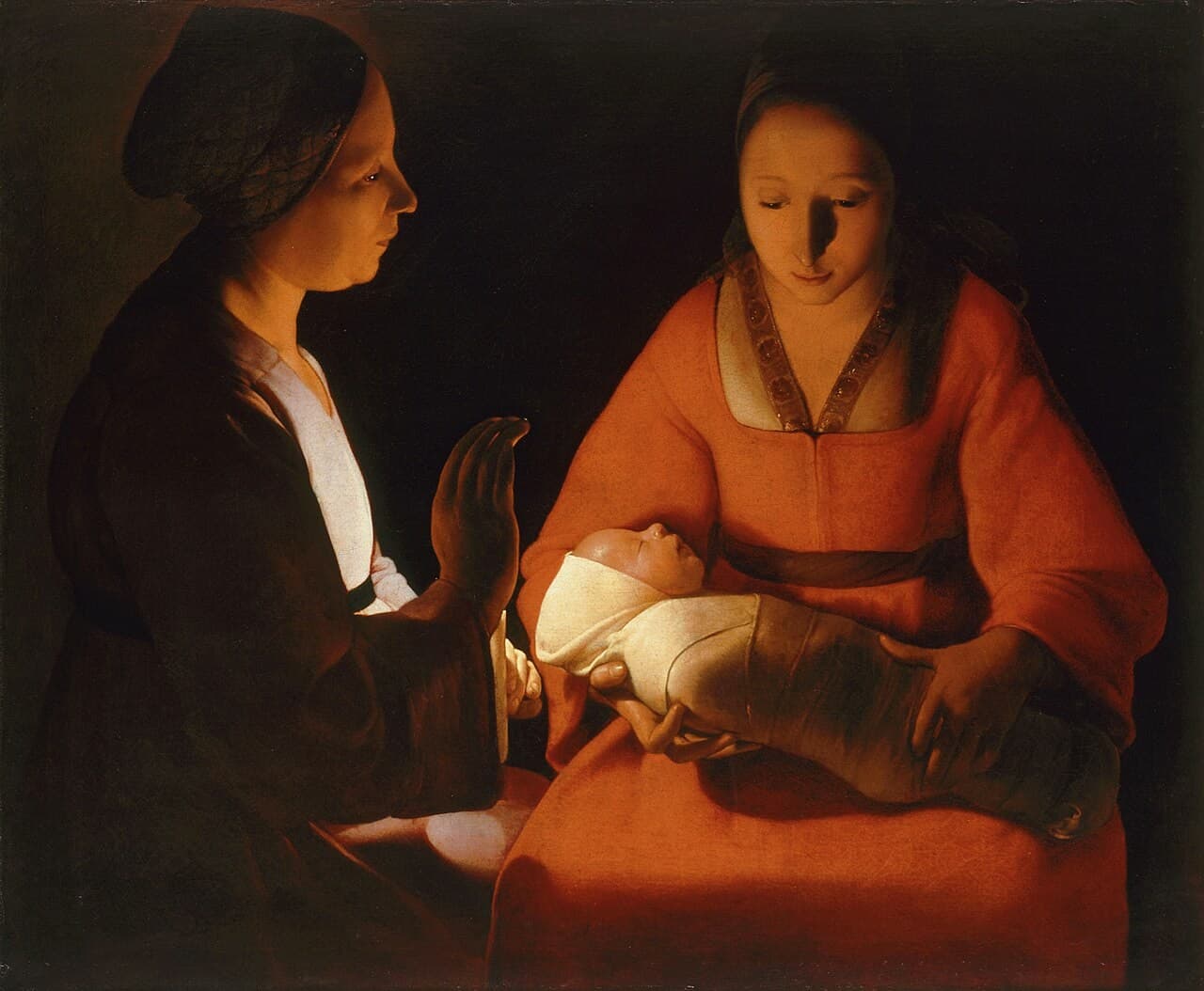
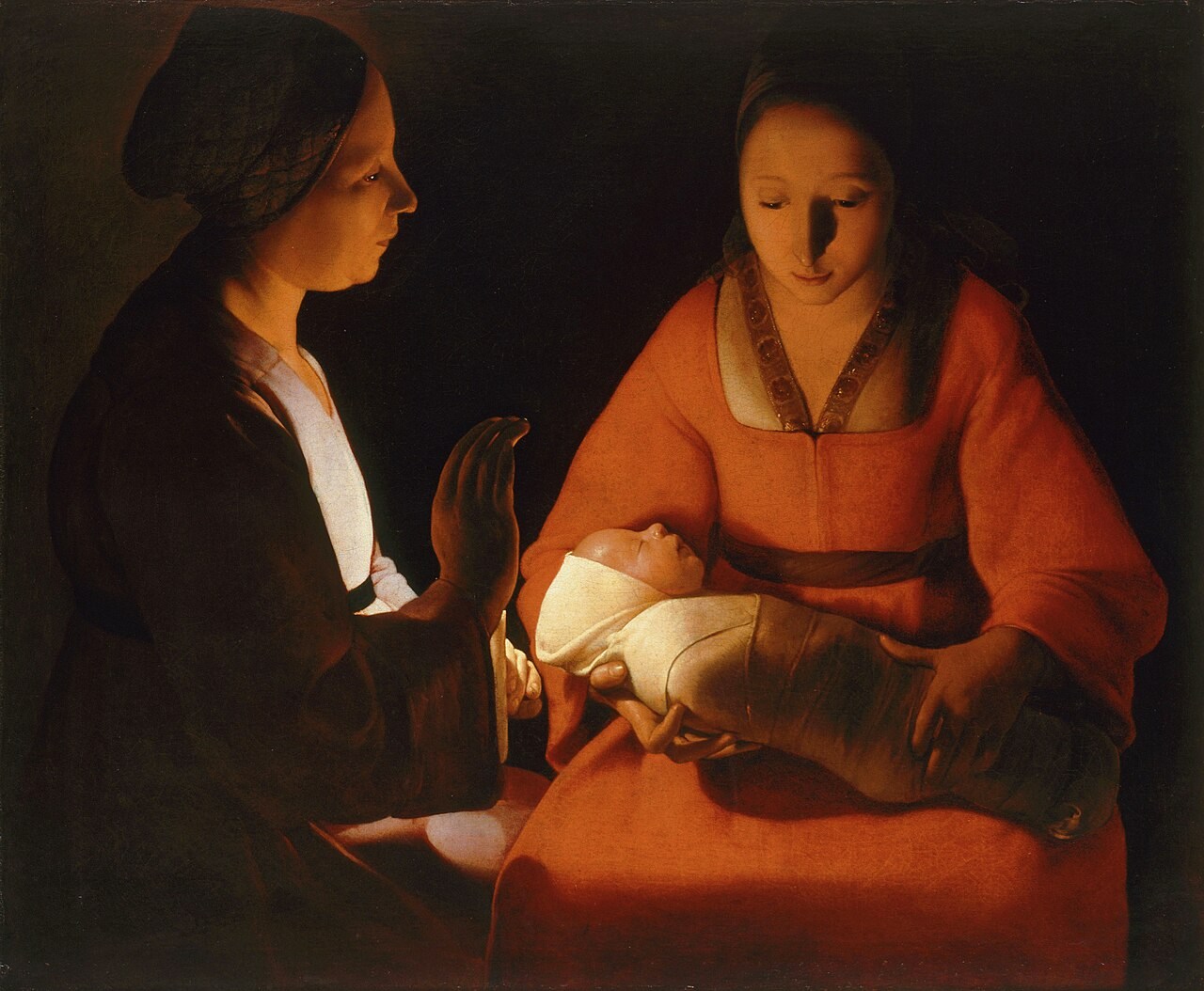
The Newborn Child
Georges de La Tour · c. 1644
A child's presence anchors spiritual meaning in the softness of an intimate room.
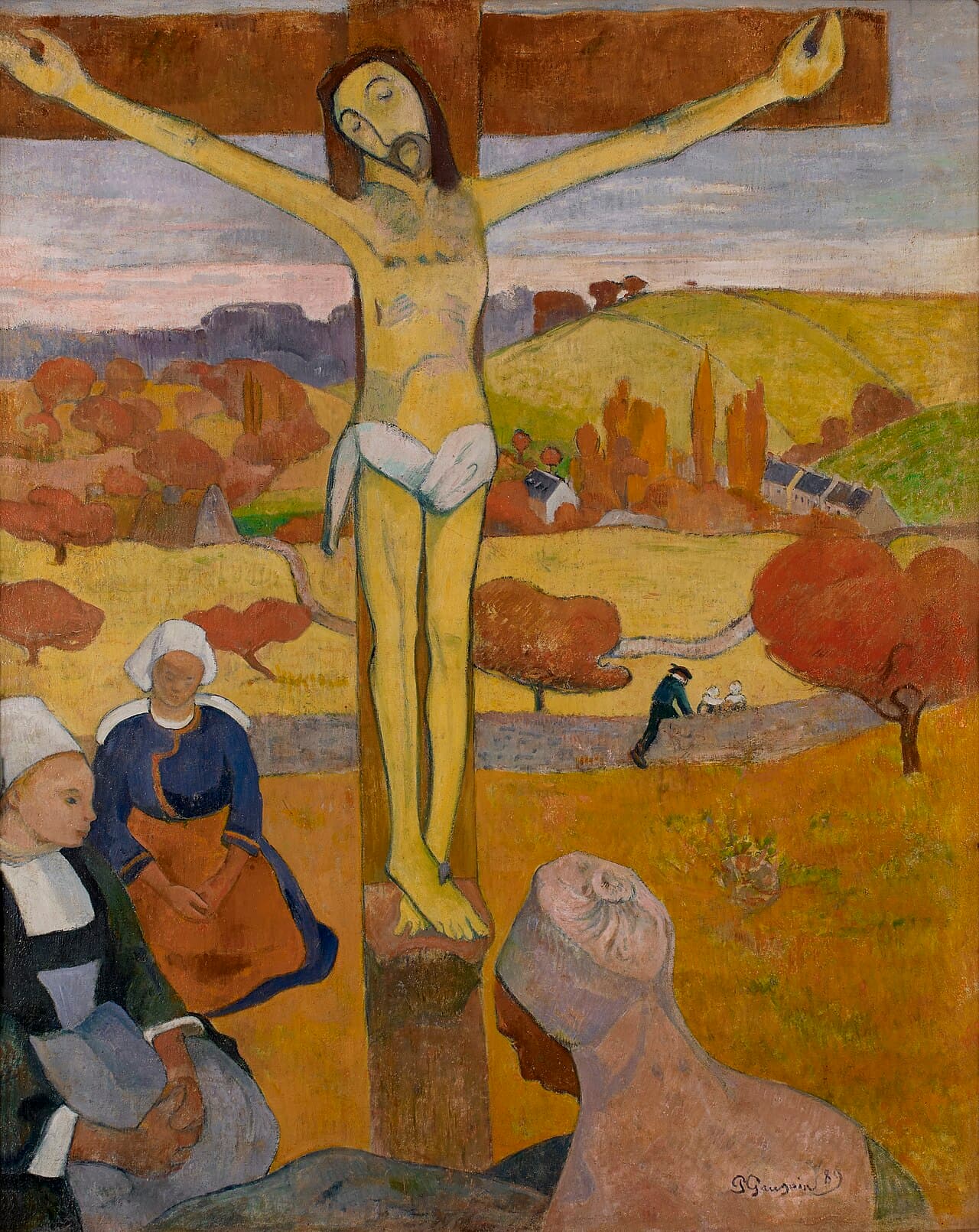
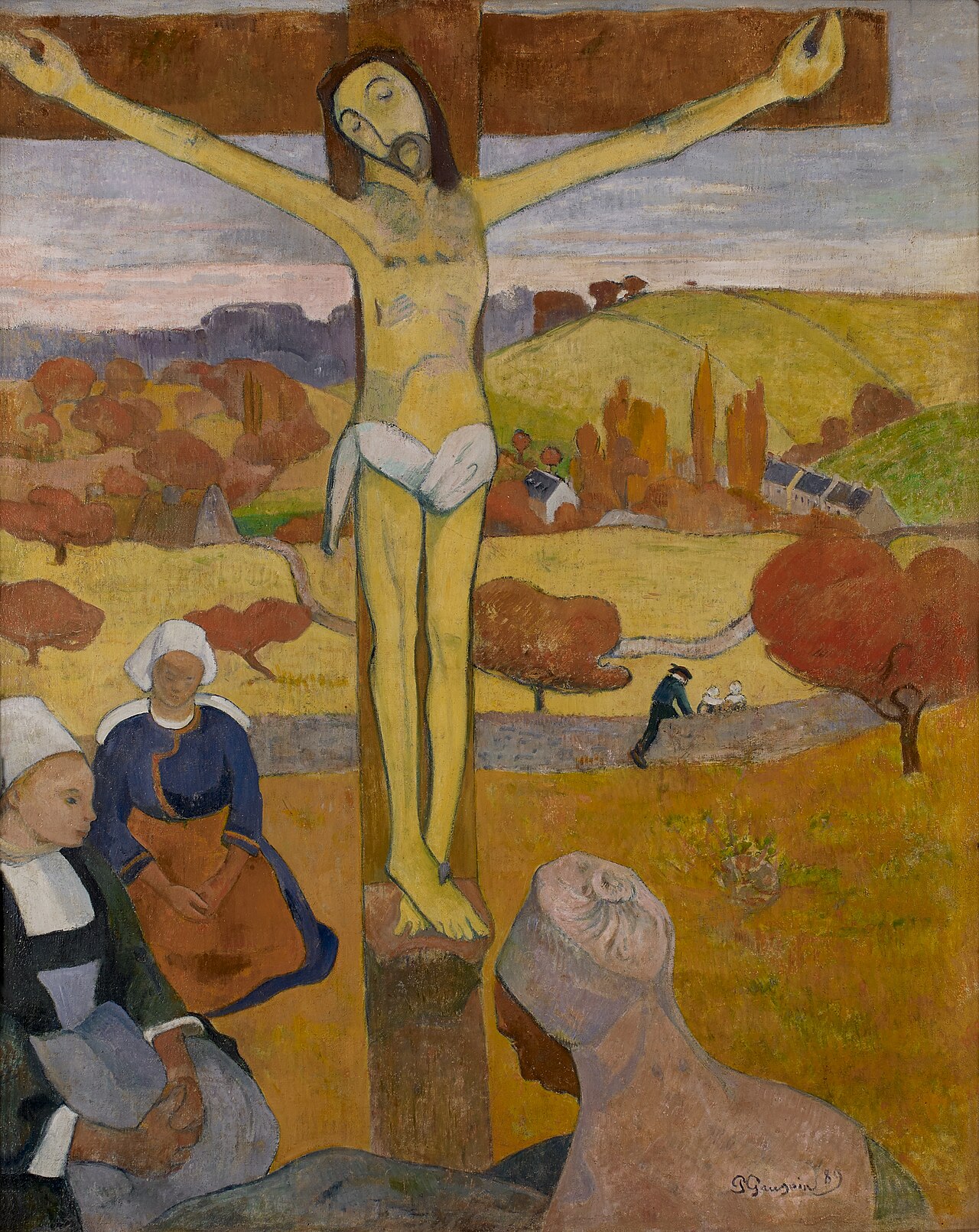
The Yellow Christ
Paul Gauguin · 1889
Gauguin transforms the familiar figure of Christ through color, stylization, and a different cultural setting.
The mystery remains, but it is painted with human hands and faces.